
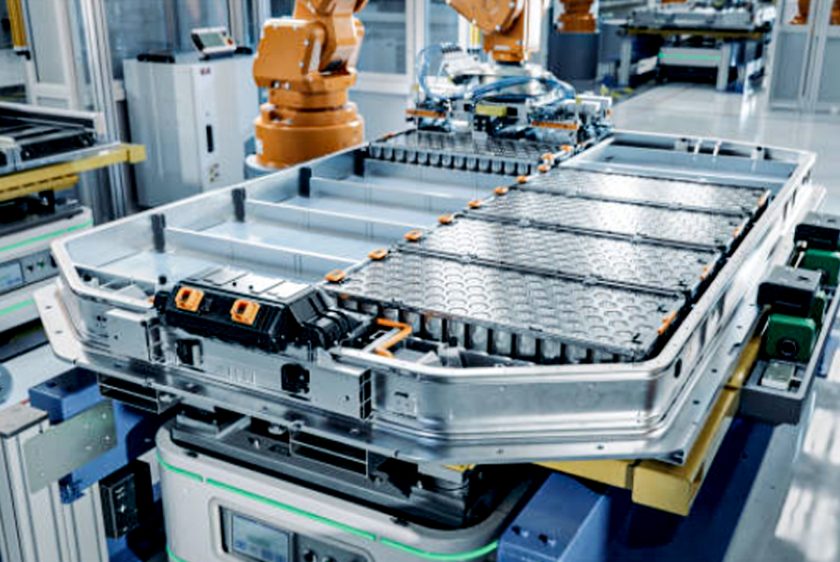
A commercial energy storage system refers to equipment deployed in commercial premises that stores electrical energy via advanced battery technology and control systems for on-demand discharge. Such systems not only optimize energy utilization efficiency but also deliver economic benefits for enterprises amid fluctuating electricity prices. With the advancement of renewable energy, commercial energy storage systems have grown increasingly critical. They effectively offset the price gap between peak and off-peak electricity hours, cutting overall operational costs.
Furthermore, these systems are widely integrated into corporate sustainable development strategies, accelerating the transition to a low-carbon economy. In most cases, commercial energy storage serves as a vital safeguard for power supply reliability, enabling businesses to mitigate risks of unexpected power outages. Accordingly, these systems streamline energy management while strengthening enterprises’ competitiveness in future markets.
Core Components of Commercial Energy Storage Systems
When analyzing commercial energy storage systems, their core components deserve primary attention.
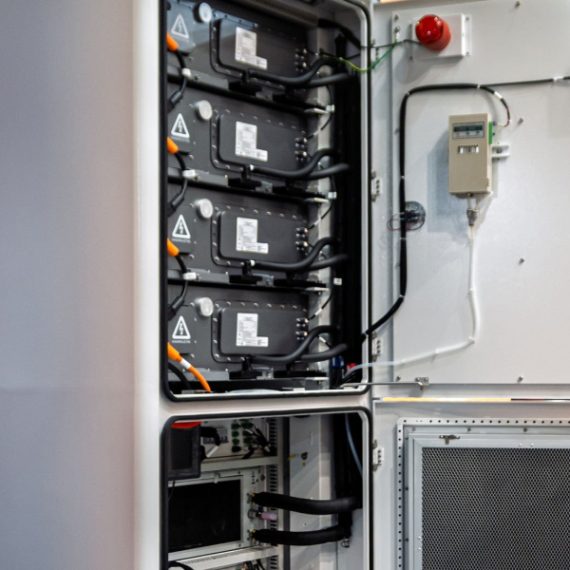
Battery technology and types form the foundation of storage systems, covering lithium-ion batteries, lead-acid batteries and other variants. Each battery type boasts distinct performance characteristics and applicable scenarios.
- Lithium-ion batteries dominate the market thanks to their high energy density and long service life.
- while lead-acid batteries still maintain a stable market share in traditional applications.
Secondly, control systems and management software perform irreplaceable functions across the entire storage setup. They monitor and regulate battery charging and discharging cycles to optimize energy management and boost system efficiency. Conventional management software features data analysis and predictive functions, enabling flexible energy scheduling tailored to diverse demands and delivering real-time optimized power consumption solutions.
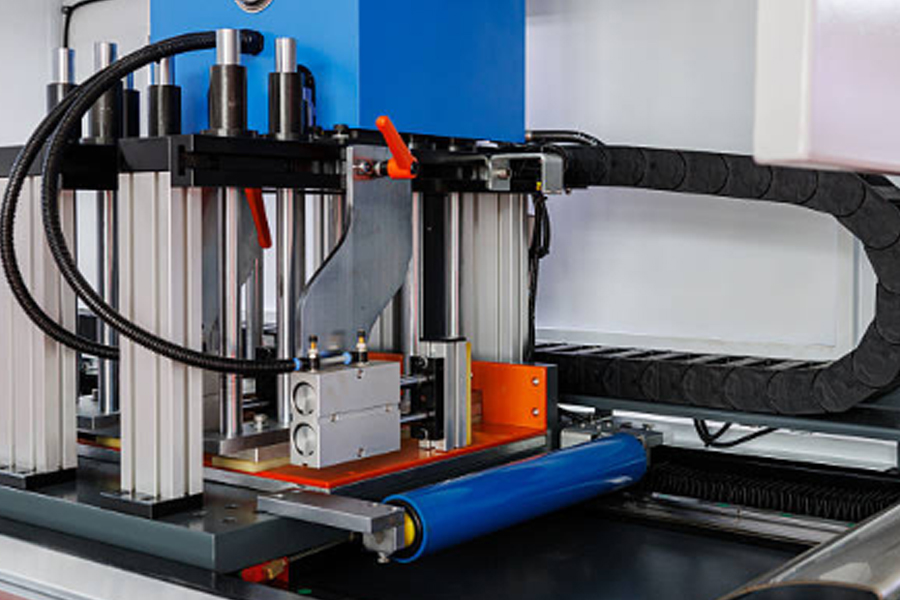
Lastly, charging and discharging devices and auxiliary accessories are indispensable. These components facilitate seamless connection with power grids and other energy resources, including inverters, transformers and other peripherals. Apart for facilitating energy transmission, these devices carry protective functions to secure the whole storage system. Full integration of these core components unlocks the full potential of commercial energy storage, delivering efficient, stable energy solutions for enterprises.
Application Scenarios of Industrial and Commercial Energy Storage Solutions
Commercial energy storage systems feature a wide range of applications in modern business environments.
First, industrial manufacturers require extra power support during peak electricity demand to sustain continuous, stable production. Commercial energy storage systems balance power loads by storing low-cost electricity during off-peak hours and discharging it at peak times, drastically cutting corporate electricity bills.
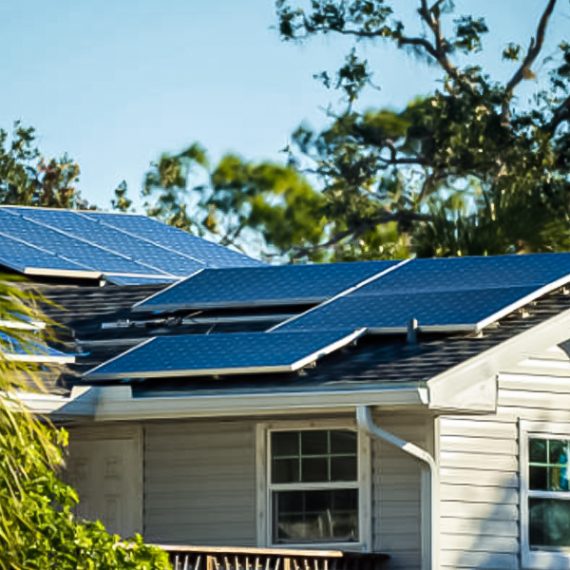
Second, energy storage plays a pivotal role in renewable energy sectors, particularly wind and solar power generation. Intelligent charge-discharge regulation stores surplus power generated by renewables, guaranteeing stable energy supply even under sunless or windless conditions.
In addition, commercial energy storage acts as backup power for critical infrastructure such as hospitals and data centers during emergencies including blackouts and natural disasters. These diverse use cases demonstrate the great value of commercial energy storage and its capacity to build an intelligent, electrified and sustainable energy future. Energy storage solutions deliver outstanding flexibility and adaptability across sectors, expanding options for refined energy management.
Advantages and Benefits of Commercial Energy Storage Systems
Against the backdrop of fast-evolving commercial operations, commercial energy storage systems generate remarkable advantages and returns for enterprises.
First, precise power management balances peak and off-peak power consumption, lowering electricity expenditure and improving overall energy efficiency. Additionally, the flexible design of commercial storage systems accommodates varied business needs and supports renewable energy integration, advancing corporate sustainability roadmaps.
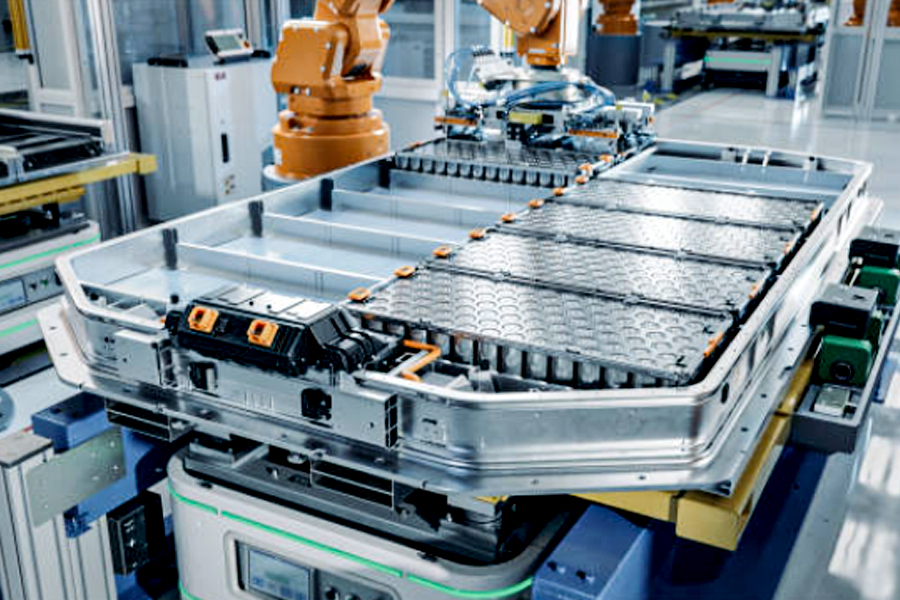
Second, these systems provide reliable backup power during sudden blackouts to avoid operational disruptions. Supported by real-time data monitoring and analysis, storage systems optimize data related to power generation and load fluctuations, helping enterprises formulate rational power consumption strategies and reduce maintenance costs.
In summary, deploying commercial energy storage yields far-reaching gains in economic performance and market competitiveness, revolutionizing corporate energy management through multi-faceted strengths.
Comparative Analysis: Operational Differences Between Enterprises With and Without Commercial Energy Storage Systems
The disparities between facilities equipped with commercial energy storage and those without can be analyzed from multiple dimensions.
For one thing, energy storage systems balance power supply and demand during peak consumption periods, freeing enterprises from full reliance on real-time grid power. In contrast, businesses lacking storage systems face inflated electricity charges at peak hours and even risks of equipment overload.
For another, commercial storage enables agile energy management: intelligent control systems optimize energy storage and release to respond rapidly to shifting power demands. Companies without storage solutions can only react passively to power fluctuations with no proactive regulation capacity.
Moreover, commercial energy storage reduces corporate reliance on conventional fossil fuel power generation and curbs carbon emissions — a key advantage amid the global push for green economic development.
In conclusion, businesses equipped with commercial energy storage achieve superior energy efficiency alongside tangible economic and environmental benefits, securing a stronger competitive edge compared to counterparts without such systems.
Comments