
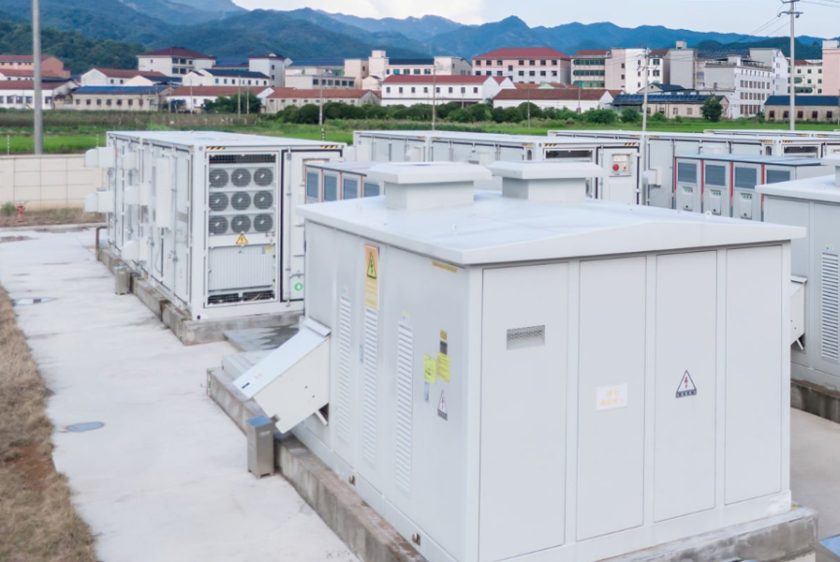
An electrical MCC (Motor Control Center) cabinet is a professional enclosure designed for centralized control of electrical equipment. Widely deployed across industrial automation scenarios, it enables effective management and monitoring of multiple motors and other electrical devices. Operators can perform on-off control, status monitoring and fault alarm management via the cabinet, which is critical for boosting production efficiency and ensuring equipment safety.
Due to its versatile functions and wide adaptability, MCC control cabinets are widely used in metallurgy, petrochemical, mining and other industrial sectors.
They are not only a core component of industrial automation systems, but also a key safeguard for smooth production operations. This article explores the sheet metal fabrication processes involved in MCC cabinet manufacturing and their importance, to help readers better understand and apply this critical equipment.
Core Functions & Industrial Applications of MCC Control Cabinets
MCC control cabinets play a vital role in industrial environments, especially for centralized control of electrical assets. By integrating multiple electrical devices into a single enclosure, they enable more efficient management and real-time monitoring of equipment operation status.
1. Centralized management and simplified maintenance
This integrated design optimizes space utilization and simplifies internal wiring, making routine system maintenance and fault troubleshooting far more convenient. The centralized layout also reduces wiring errors and improves overall operational safety.
2. Stable support for industrial automation
MCC control cabinets are an indispensable part of modern industrial automation systems. They ensure stable power supply and precise control throughout automated production processes, and enhance overall system stability through reliable structural design and standardized component layout.
These capabilities directly improve production efficiency and reduce operational risks, providing solid technical support for the upgrading and development of modern industrial systems.
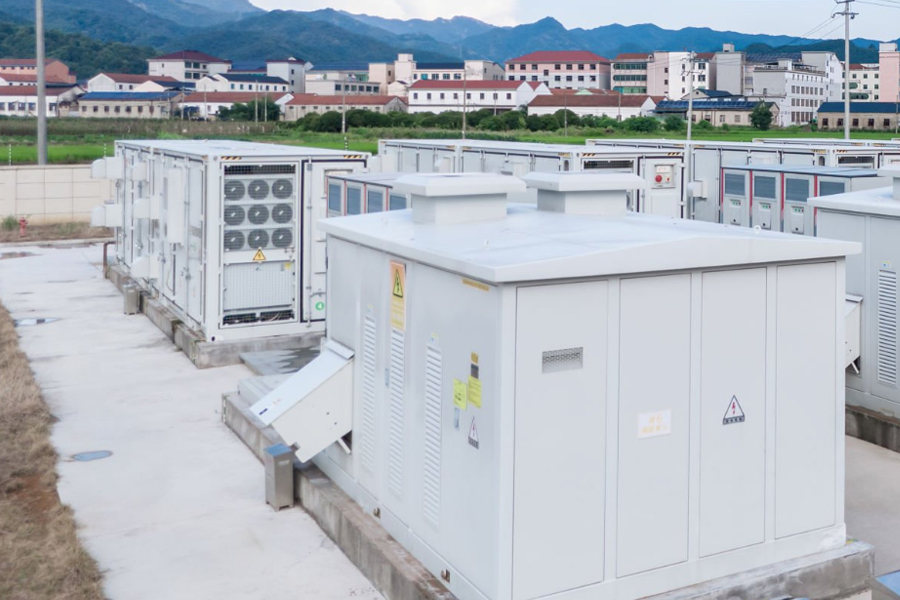
Overview of Sheet Metal Fabrication for MCC Control Cabinets
Sheet metal fabrication is a core and irreplaceable stage in the manufacturing of MCC control cabinets. These processes not only define the external shape and structure of the cabinet, but also directly affect the safety and stable operation of internal electrical components.
1. Core fabrication technologies
Common sheet metal techniques include stamping, bending, precision cutting and welding, all strictly controlled to ensure every component matches design specifications with high accuracy. Stamping enables efficient mass production of standard metal parts, while bending processes form the precise structural angles of the cabinet body. These coordinated processes ensure the cabinet remains rigid and reliable even under long-term heavy-duty operation.
2. Material selection for performance
Raw material selection is another key factor that directly impacts the durability and safety of the finished product. High-quality steel sheets can withstand greater mechanical pressure and temperature changes during processing, effectively improving the overall structural performance of the MCC cabinet.
Strict quality control over each fabrication step is essential to achieve premium sheet metal quality, and ultimately deliver excellent structural performance for the finished MCC control cabinet.
How Sheet Metal Processes Impact Electrical Cabinet Quality
Sheet metal fabrication quality directly determines the overall performance and service life of MCC control cabinets. Its importance is reflected in three core dimensions:
Structural strength and durability
Proper stamping and bending processes ensure the cabinet has sufficient compressive and impact resistance, preventing structural deformation or damage from external shocks. Reliable welding creates firm permanent connections, and effectively reduces structural instability caused by long-term equipment vibration during operation.
Production cost and material efficiency
Precision cutting and forming technology significantly improves raw material utilization and reduces unnecessary material waste. This not only lowers overall manufacturing costs, but also allows for more competitive product pricing for customers.
Environmental adaptability and safety
High-standard sheet metal fabrication enhances the cabinet’s performance in harsh operating environments, including corrosion resistance and ingress protection (IP) rating. These properties are critical for ensuring reliable long-term operation of electrical equipment in complex industrial scenarios.
For all the reasons above, sheet metal processes must be prioritized and strictly controlled throughout the entire MCC control cabinet manufacturing process.
Common Sheet Metal Processes & Detailed Applications
Selecting appropriate processing techniques is the foundation of high-quality MCC control cabinet manufacturing. Different processes are applied to different production stages, each with unique technical advantages.
Cutting and forming processes
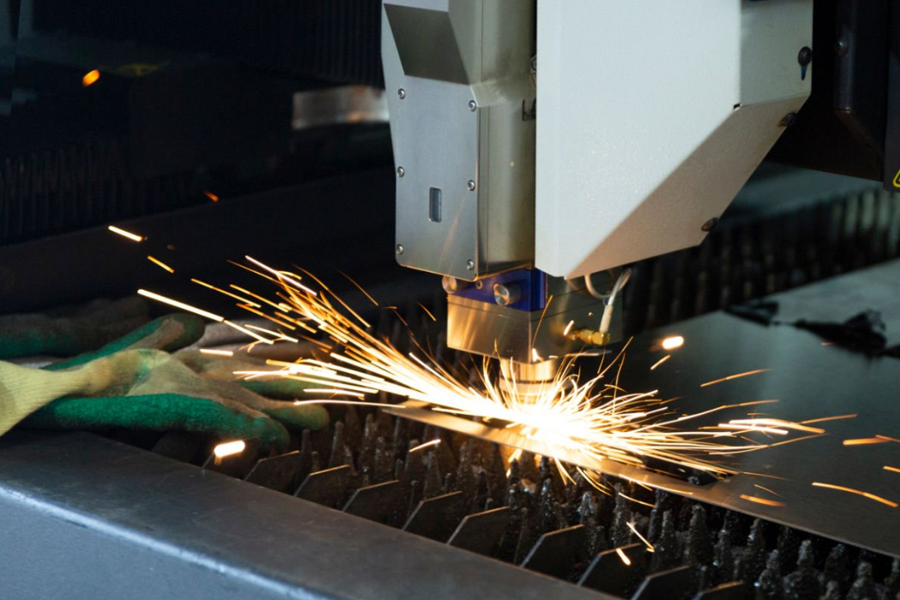
Laser cutting and waterjet cutting are the most widely used high-precision cutting methods in current production. These technologies deliver smooth, burr-free cutting edges and extremely high dimensional accuracy, while minimizing material waste during processing. Stamping and forming technology is also commonly used for manufacturing complex structural parts, greatly improving overall production efficiency for mass orders.
Welding and surface treatment processes
Welding quality directly determines the structural strength and durability of the cabinet body. TIG welding and spot welding are the preferred methods in MCC cabinet production, as they create firm, uniform joints while minimizing deformation in the heat-affected zone. Proper post-weld treatment, including grinding and powder coating, further improves corrosion resistance and ensures long-term stable operation of the cabinet in various industrial environments.
Both cutting-forming and welding processes play irreplaceable roles in MCC cabinet manufacturing, and are indispensable for ensuring the final product’s performance and quality.
Manufacturing Challenges & Solutions for MCC Control Cabinets
Multiple technical challenges need to be addressed during the manufacturing of MCC control cabinets, and targeted solutions are required to ensure final product quality.
Sheet metal processing precision control
Since the cabinet carries high electrical current during operation, even minor dimensional deviations can affect electrical clearance, equipment performance and operational safety. The solution is to implement strict quality inspection across every processing step, paired with high-precision measuring tools to ensure consistent dimensional accuracy and product reliability.
Welding deformation control
Welding process control is another major manufacturing challenge, particularly deformation issues in the heat-affected zone caused by high temperatures. Targeted cooling systems and specialized fixing fixtures are widely adopted to limit thermal deformation and enhance the stability of welded joints.
Harsh environment adaptability
Material selection must be tailored to specific operating environments, especially for scenarios with high corrosion risk or large temperature variations. Selecting durable base materials and matching professional surface treatment processes is the core solution to address these environmental challenges.
Through continuous optimization of fabrication processes and quality control systems, manufacturers can ensure MCC control cabinets operate stably and reliably under a wide range of industrial operating conditions.


Comments