
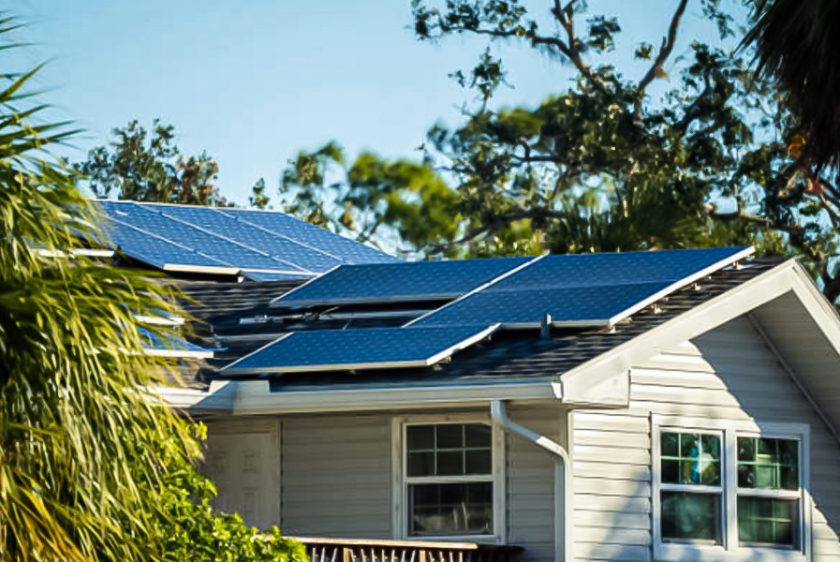
A home energy storage system is a residential-grade device designed to store electrical energy for on-demand household use, most commonly paired with rooftop solar panel installations. It captures surplus electricity generated during periods of high solar output, and releases stored power when household demand rises or grid supply is unavailable.
The core advantage of this technology lies in its ability to reduce household electricity expenses significantly. Homeowners can draw on stored power during high-tariff peak hours, avoiding premium grid electricity rates. Beyond cost savings, the system delivers greater energy independence, reducing full reliance on the public utility grid and providing critical backup during unexpected power outages or energy price volatility. It also supports lower household carbon emissions by maximizing the use of on-site renewable energy. Amid the global shift toward sustainable living, home energy storage systems are gaining traction among households worldwide, serving as both a supplement to traditional grid power and a practical step toward low-carbon daily life.
Cost Savings & Energy Efficiency Performance
Energy conservation and bill reduction are the primary drivers behind residential adoption of home energy storage systems. These systems deliver measurable economic and environmental returns through targeted energy scheduling.
- Peak tariff arbitrage: Home energy storage systems charge during low-tariff off-peak hours and discharge during high-demand peak periods, directly reducing peak-hour electricity expenses. This time-shifting strategy delivers immediate savings on monthly utility bills, with measurable impacts on household budgets for average families.
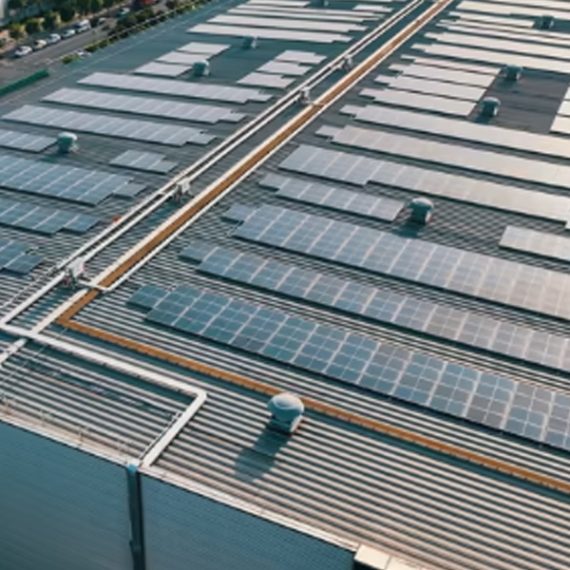
- Improved solar self-consumption: When paired with rooftop solar systems, residential storage captures excess solar generation that would otherwise be exported to the grid at low feed-in rates. Maximizing on-site self-consumption of solar power further reduces reliance on grid electricity and cuts overall energy costs.
- Reduced carbon footprint: By prioritizing on-site renewable energy use, home energy storage systems lower demand for fossil fuel-generated grid power, directly reducing household carbon emissions. This aligns with global sustainable living goals and supports long-term environmental protection efforts.
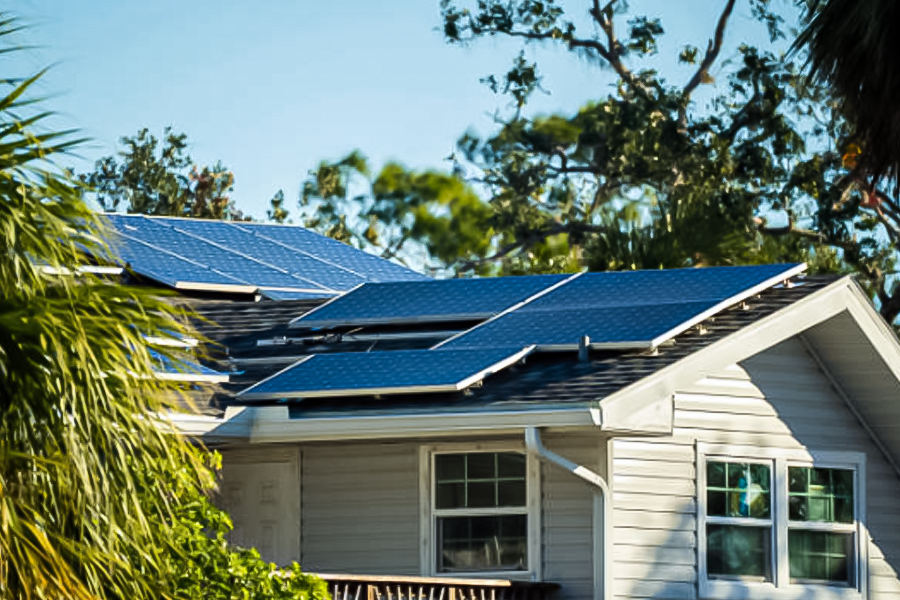
For most households, deploying a home energy storage system represents both a short-term cost-saving measure and a long-term investment in sustainable, resilient domestic energy use.
Enhanced Energy Independence & Power Security
As adoption grows, the role of home energy storage systems in boosting residential energy independence and security has become increasingly prominent.
- Reduced grid reliance: The system maximizes utilization of on-site solar and other renewable energy sources, storing surplus power to cover daily demand and lowering dependence on the traditional utility grid. This self-sufficiency gives homeowners greater control over their energy supply and insulates them from grid-side price fluctuations.
- Reliable backup power during outages: In the event of unexpected grid failures or maintenance outages, a home energy storage system provides immediate backup power to support essential household loads such as lighting, refrigeration, communication devices and basic heating or cooling. This capability is particularly valuable in regions prone to extreme weather events or natural disasters, where power interruptions may last for extended periods.
- Protection against price volatility: With stored energy on hand, households have greater flexibility to respond to electricity price spikes and market uncertainty. This reduces exposure to volatile utility rates and creates more predictable monthly energy budgets.
Overall, investing in a home energy storage system creates a more autonomous, secure and resilient household energy environment, going far beyond simple cost reduction.
Alignment with Renewable Energy Development Trends
Global residential energy demand is increasingly met through renewable energy sources, particularly rooftop solar and small-scale wind power, and this trend directly drives the advancement of home energy storage technology.
Renewable energy generation is inherently intermittent — solar output fluctuates with weather and time of day, and wind power varies with atmospheric conditions. Home energy storage systems smooth out these fluctuations, storing surplus generation and releasing it when renewable output drops, improving overall energy autonomy for households.
Ongoing technological advancements are making home energy storage systems increasingly intelligent, with seamless integration to smart home appliances and home energy management systems. This connectivity enables automated, optimized energy scheduling that adjusts to real-time household consumption patterns, further improving overall energy management efficiency.
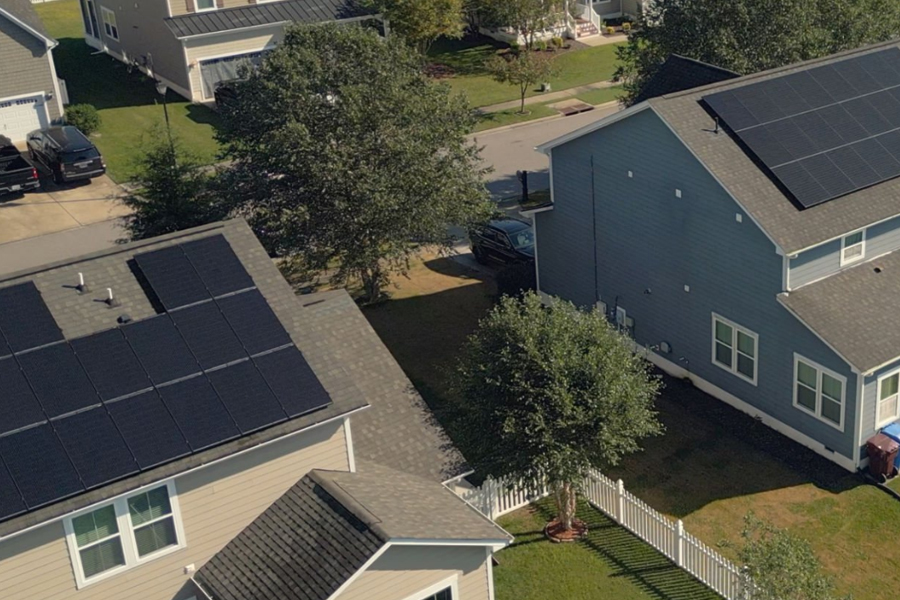
Policy support also reinforces this growth trend. Many national and regional governments offer incentives for residential renewable energy installations, including tax credits, direct purchase rebates and favorable net metering policies. These measures make home energy storage systems more affordable for average households, while also raising public awareness of clean energy benefits. The combination of technological progress and policy support is steadily moving households toward a more eco-friendly, self-sufficient energy model.
Policy Incentives & Their Impact on Household Adoption
Policy support and financial incentives play a critical role in accelerating household adoption of home energy storage systems, especially for first-time buyers evaluating upfront costs.
Governments worldwide have introduced a range of incentive measures to promote residential clean energy adoption, including income tax credits, upfront purchase subsidies and reduced sales tax rates for qualifying energy storage equipment. These policies directly reduce the initial capital cost of home energy storage systems, making the technology accessible to a much broader range of households.
Many regions also offer premium feed-in tariffs or net metering programs that allow homeowners to earn credits for excess solar power exported to the grid. When paired with home energy storage systems, these programs improve overall project economics and shorten the payback period for homeowners.
Beyond direct financial support, policy guidance also strengthens public environmental awareness, helping households recognize that clean energy adoption delivers both personal savings and broader environmental benefits. These combined policy measures are a key driver of the growing popularity of home energy storage systems as a standard residential upgrade.
Common Types of Home Energy Storage Systems
Several distinct types of home energy storage systems are available on the market, each with unique technical characteristics and suitable use cases.
Lithium-ion battery systems
Lithium-ion energy storage is the most widely adopted residential solution, valued for its high energy density, long cycle life and compact footprint. Its relatively light weight and small size make it well suited for households with limited installation space.
Lead-acid battery systems
Lead-acid batteries are a well-established, lower-cost option for budget-conscious households. While they have shorter service life and lower energy density compared to lithium-ion alternatives, their proven reliability and lower upfront cost make them a viable choice for light-use scenarios.
Solid-state battery systems
As an emerging next-generation technology, solid-state batteries offer enhanced safety and greater stability compared to traditional lithium-ion designs. While currently higher in cost, ongoing development is expected to bring prices down and expand residential adoption in the coming years.
Smart integrated energy storage solutions
Many modern home energy storage systems include advanced built-in management software that automatically adjusts power distribution based on real-time household demand, time-of-use rates and solar generation levels. This intelligent optimization delivers more precise energy management and maximizes long-term cost savings.
Each storage technology has its own advantages and limitations, and the optimal choice depends on a household’s specific energy needs, available space, budget and long-term usage goals.
Overall, the home energy storage system is a versatile, high-value residential energy solution that delivers cost savings, improved energy security, lower carbon emissions and alignment with global renewable energy trends. As technology continues to advance and policy support strengthens, these systems will become an increasingly standard feature of modern, sustainable households, helping homeowners build more resilient, efficient and eco-friendly daily living environments.
Comments