
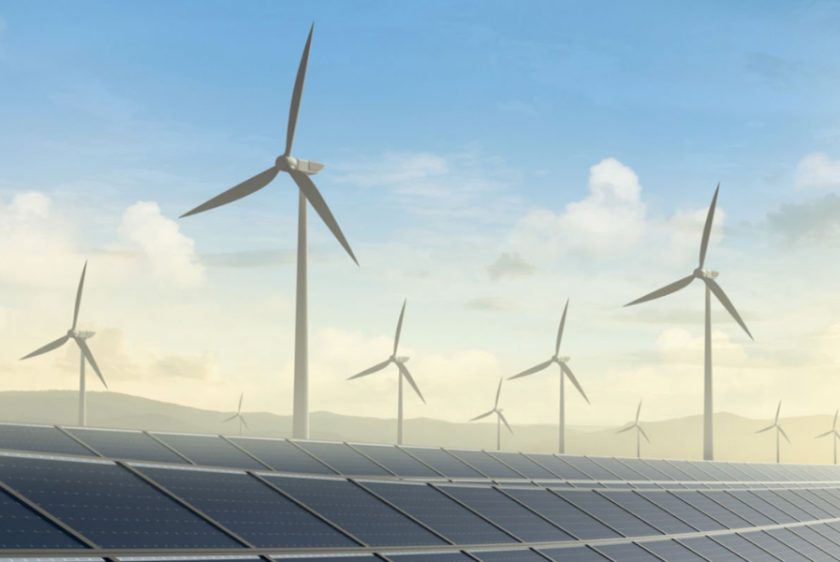
A factory solar energy storage system delivers a comprehensive, high-efficiency solution for manufacturing facilities facing rising energy costs and growing pressure to meet low-carbon targets. Each factory solar energy storage system combines photovoltaic (PV) solar panels, battery storage cabinets and intelligent energy management software, covering the full spectrum of industrial power usage and serving as a core enabler for cost reduction, efficiency improvement and green transformation in modern manufacturing facilities.
Factory Solar Energy Storage System: Core of Industrial Energy Transition
Traditional manufacturing facilities rely almost entirely on the public utility grid for power supply, exposing them to multiple operational risks including high peak-hour tariffs, tight load capacity and unplanned production interruptions caused by grid failures, all of which translate to avoidable economic losses. The adoption of factory solar energy storage systems breaks this single-source power model, establishing a diversified energy supply framework based on self-generation for self-use, surplus energy storage and emergency backup power, fundamentally optimizing the factory energy structure.
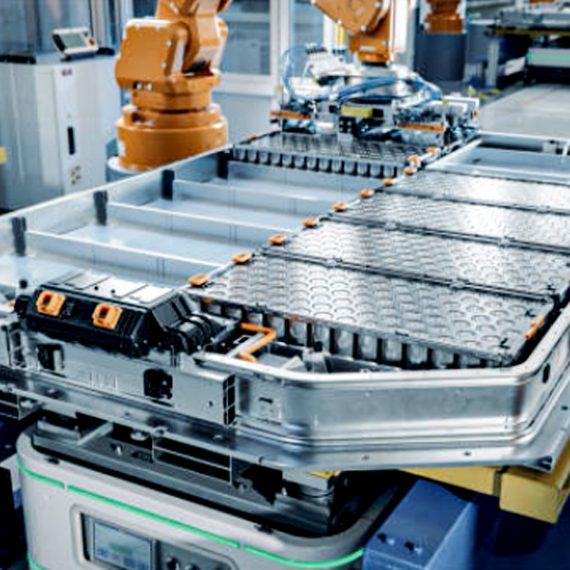
A factory solar energy storage system operates through coordinated interaction across three core layers. PV panels capture sunlight and convert it into direct current, which is converted to alternating current via inverters to first meet immediate production demand. Surplus electricity is stored in battery storage cabinets instead of being wasted. An intelligent monitoring and control module oversees the entire system, dynamically allocating power in real time to maximize energy utilization and give factories greater autonomy and flexibility over their power supply.
How Factory Solar Energy Storage Systems Cut Operational Costs
Electricity costs represent a significant share of production and operating expenses for factories, especially for energy-intensive facilities, where persistently high power bills squeeze profit margins. One of the core advantages of deploying a factory solar energy storage system is its ability to reduce electricity costs and maximize operational returns, which is the primary motivation for widespread industrial adoption.
Free on-site clean power generation
Solar panels capture sunlight, a free and renewable energy source, allowing factories to generate electricity on site via the system to replace a portion of grid-purchased power, directly cutting monthly electricity expenses.
Peak shaving and tariff arbitrage
Factory solar energy storage systems enable peak load shifting to further reduce power costs. Industrial electricity demand peaks during daytime production hours, and peak-time grid tariffs are typically 2 to 4 times higher than off-peak rates. The storage system charges during low-tariff off-peak periods and discharges during high-demand peak hours, eliminating the need to purchase expensive peak-time electricity. It also reduces the factory’s maximum demand load, lowering demand charge expenses for a dual-layer cost reduction effect.
Factory Solar Energy Storage System for Stable Power Supply
Industrial production imposes extremely high requirements for power supply stability. Even brief outages or voltage fluctuations can halt production lines, damage equipment and result in scrapped products, causing substantial financial losses for factories. Leveraging the storage capacity of battery cabinets and intelligent dispatch capabilities, factory solar energy storage systems deliver stable, reliable power protection and mitigate operational risks for manufacturing facilities.
Photovoltaic power generation is inherently intermittent and variable, affected by day-night cycles, seasonal changes and weather conditions. Generation is abundant during sunny daylight hours but drops or ceases entirely on overcast days and at night. As the energy reservoir of the factory solar energy storage system, battery cabinets store excess PV power generated during the day and release it when generation is insufficient, balancing power supply and demand to support 24/7 stable factory operation.
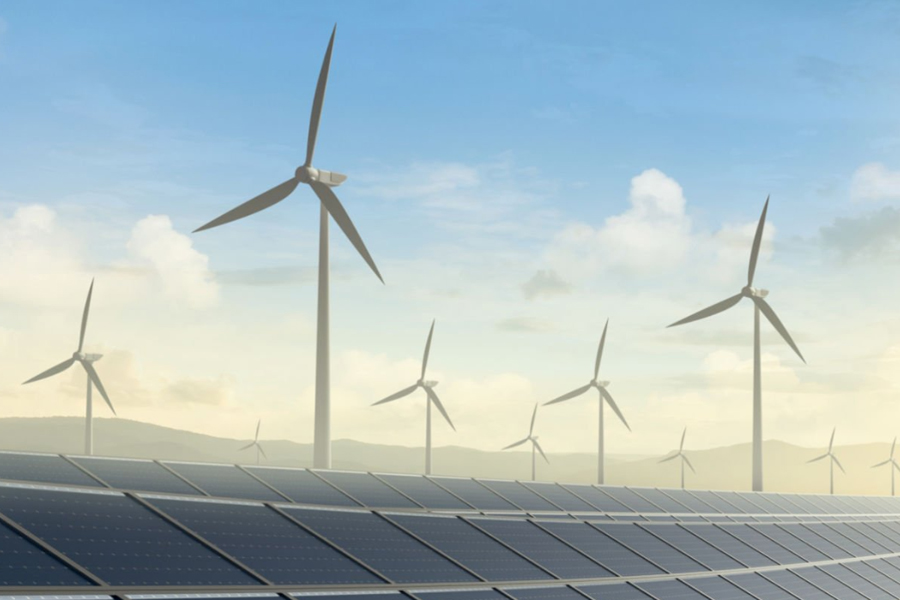
Additionally, when the public grid experiences faults or outages, the factory solar energy storage system can switch rapidly to emergency backup mode, supplying temporary power to critical production lines and core equipment to avoid production interruptions. For example, one electronics manufacturing facility equipped with a factory solar energy storage system avoided production line shutdown losses from three short grid outages, with estimated single-outage losses exceeding 100,000 RMB, demonstrating the tangible value of emergency backup capability.
Factory Solar Energy Storage Drives Low-Carbon Transformation
Green and low-carbon development has become an inevitable trend in industrial transformation. Governments worldwide are advancing carbon neutrality targets and imposing stricter energy conservation and emission reduction requirements on manufacturing facilities. As a clean energy solution, factory solar energy storage systems reduce fossil fuel consumption and pollutant emissions, supporting factories in achieving low-carbon transformation and building green manufacturing credentials.
PV power generation produces no exhaust gas, wastewater, solid waste or noise pollution during operation, making it a truly clean energy source. By generating on-site power via the system, factories replace conventional coal-fired grid power, reducing consumption of fossil fuels such as coal and lowering emissions of carbon dioxide, sulfur dioxide and nitrogen oxides.
For reference, one frozen food manufacturing facility’s system delivers over 3.8 million kWh of green electricity annually, with storage-supplied power alone reducing CO₂ emissions by 1,591.14 tons per year, equivalent to planting nearly 160,000 trees. Another industrial enterprise’s system achieves 8,973 tons of annual CO₂ reduction, equivalent to 490,000 trees planted. These ecological benefits help enterprises meet emission targets and qualify for green factory certifications.
Factory Solar Energy Storage Extends Equipment Lifespan
Factory production equipment is highly sensitive to power quality. Long-term voltage fluctuations and peak power surges accelerate equipment aging and damage, increasing maintenance and replacement costs over time. Factory solar energy storage systems not only ensure stable power supply but also improve overall power quality, reducing the impact of voltage fluctuations on equipment and extending the service life of production assets.
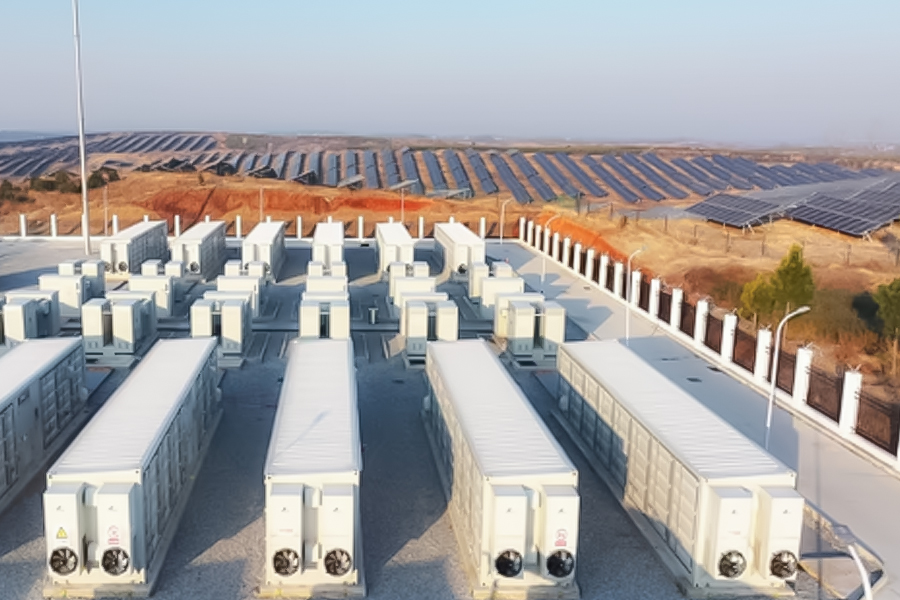
The energy storage system features intelligent voltage regulation and frequency stabilization functions, monitoring factory load changes in real time and automatically adjusting power output to prevent equipment damage from overvoltage, undervoltage or excessive voltage fluctuation. In addition, PV panels and storage cabinets in the system adopt a modular design for convenient maintenance, with long service lives that deliver stable long-term performance and further reduce overall factory operating and maintenance costs.
Factory Solar Energy Storage System: Key Deployment Tips
The effectiveness of a factory solar energy storage system depends on deep coordination between PV panels, storage cabinets and the management system, with each component fulfilling a distinct role while working in close alignment to maximize energy efficiency.
PV panels serve as the energy capture layer, converting sunlight into electricity, with their conversion efficiency directly determining total system generation output. Storage cabinets act as the energy storage layer, holding surplus power to balance supply and demand. The intelligent management system functions as the dispatch layer, coordinating overall power allocation to enable peak shaving, emergency backup and other core functions.
When deploying a system, factories should right-size PV panel capacity and storage cabinet volume based on their own load profile and production scale, and optimize system dispatch logic to ensure efficient coordinated operation across all three components. This approach maximizes the economic, social and ecological benefits of the system for the facility.
In summary, factory solar energy storage systems deliver multiple core benefits for manufacturing facilities, including cost reduction, efficiency improvement, stable power supply, carbon emission reduction and extended equipment service life. They not only help factories lower operating costs and mitigate power-related risks, but also support low-carbon industrial transformation, aligning with modern industrial development trends.
As PV and energy storage technologies continue to mature and application costs gradually decline, factory solar energy storage systems will see even wider adoption across the industrial sector, becoming a key support for high-quality development in more manufacturing facilities. Looking ahead, deeper integration between solar energy storage and industrial production will help build more efficient, cleaner and more stable energy systems for factories, advancing the global industrial energy revolution to new heights.

Comments