
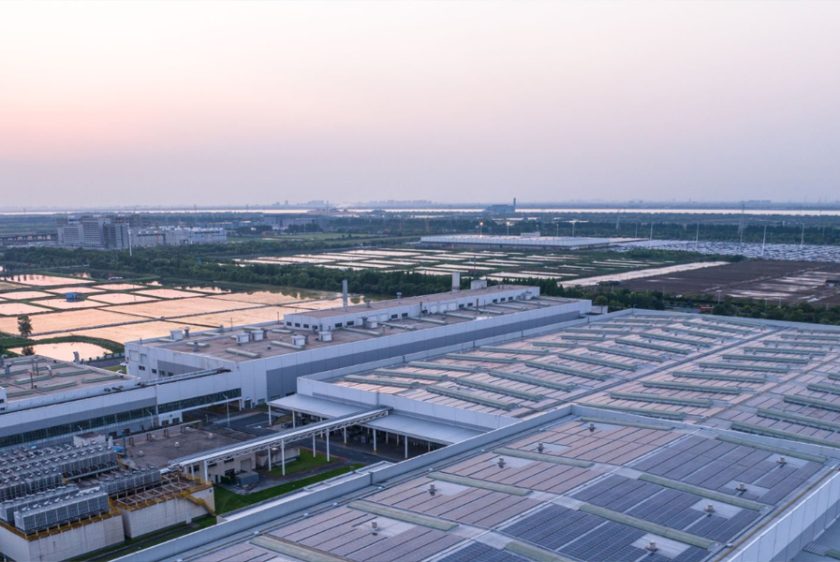
Against the backdrop of global energy structure transformation, commercial and industrial (C&I) energy storage systems have gradually become a critical tool for enterprises to enhance their competitive edge. Commercial & Industrial Energy Storage refers to systems that store electrical energy to meet the power demand of factories and commercial facilities during production and daily operation.
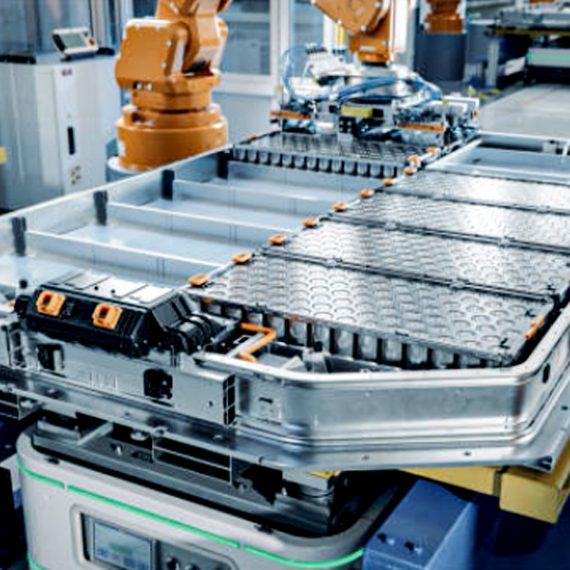
Typically composed of battery packs, control systems and supporting equipment, these systems effectively adjust the timing of energy use. The core principle of energy storage technology is to store surplus electricity during off-peak periods and release it during peak hours, optimizing power consumption efficiency and achieving load balance.
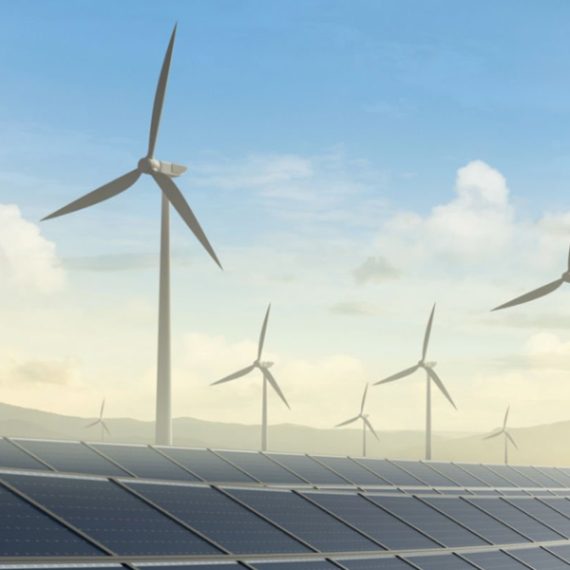
Deployment of energy storage technology enables better management and utilization of renewable energy sources such as solar and wind power, bringing greater operational flexibility to enterprises. In addition to delivering significant advantages in reducing electricity costs, Commercial & Industrial Energy Storage systems also improve the overall stability of power supply. Embracing this trend is therefore critical for enterprises moving toward sustainable development goals.
Key Benefits & Development Outlook of Commercial & Industrial Energy Storage
Commercial & Industrial Energy Storage systems deliver multidimensional value for enterprises, covering renewable energy utilization, cost optimization and operational stability, with broad development prospects amid the global low-carbon transition.
Efficient utilization of renewable energy
With the growing adoption of renewable energy, Commercial & Industrial Energy Storage systems play a vital role in improving renewable energy utilization efficiency. The technology allows enterprises to store surplus power generated during periods of high solar irradiance or strong wind, reducing reliance on conventional fossil fuel power. Stored energy is discharged during peak demand periods to ensure continuous power supply and stable production, which not only cuts fossil fuel consumption but also eases grid pressure and drives the development of green energy.
Reduced energy costs and improved power efficiency
Commercial & Industrial Energy Storage systems also help enterprises lower energy costs and improve overall power utilization efficiency. Through load shifting, enterprises can effectively regulate power consumption, especially during peak tariff periods, significantly reducing peak-time electricity expenses. Real-time energy consumption data supports intelligent power scheduling, maximizing the utilization of every kilowatt-hour. This improves overall power efficiency and enables more flexible response to market changes, strengthening enterprises’ market competitiveness.

Driven by both policy support and market demand, Commercial & Industrial Energy Storage will continue to expand its application scope and become a standard configuration for modern industrial and commercial facilities pursuing low-carbon operation.
Core Functions & Features of Commercial Energy Storage Cabinets
As the core hardware carrier of Commercial & Industrial Energy Storage solutions, commercial energy storage cabinets integrate multiple core functions, with design features tailored to the operational needs of industrial and commercial scenarios.
Core power regulation capabilities
The primary function of commercial energy storage cabinets is to store and manage electrical energy, balancing power supply and demand dynamically. Most systems are integrated with intelligent monitoring and control technology to track real-time power usage and optimize energy scheduling. They also feature fast response capability to handle sudden load changes, ensuring stable and reliable power supply for enterprises.
Modular and adaptable design
A standout feature is its modular design, which enables flexible capacity expansion. Enterprises can add storage units gradually according to their needs instead of making a full one-time investment, lowering initial capital expenditure. The equipment also delivers strong environmental adaptability, operating efficiently under various working conditions.
Intelligent energy management software
Built-in advanced management software provides in-depth power consumption analysis, and combines predictive algorithms to deliver refined energy management solutions for enterprises. This intelligent operation improves power utilization efficiency and helps achieve peak tariff reduction, helping enterprises maintain a competitive edge.
These combined features make commercial energy storage cabinets a practical, scalable and cost-effective solution for most industrial and commercial energy scenarios.
Real-World Commercial & Industrial Energy Storage Application Cases
Multiple successful deployment cases across different sectors demonstrate the practical value and measurable returns of Commercial & Industrial Energy Storage systems.
Large urban supermarket
A large supermarket located in an urban center successfully balanced its morning and afternoon power load by deploying an energy storage system. It stored electricity during low-tariff periods and discharged it during peak hours, significantly reducing electricity bills and minimizing load fluctuations, setting a positive example for other commercial tenants.
Manufacturing enterprise
A manufacturing enterprise adopted commercial energy storage cabinets to address unstable grid supply. The system provided backup power during outage events to keep production lines running continuously, reducing production losses caused by power interruptions.
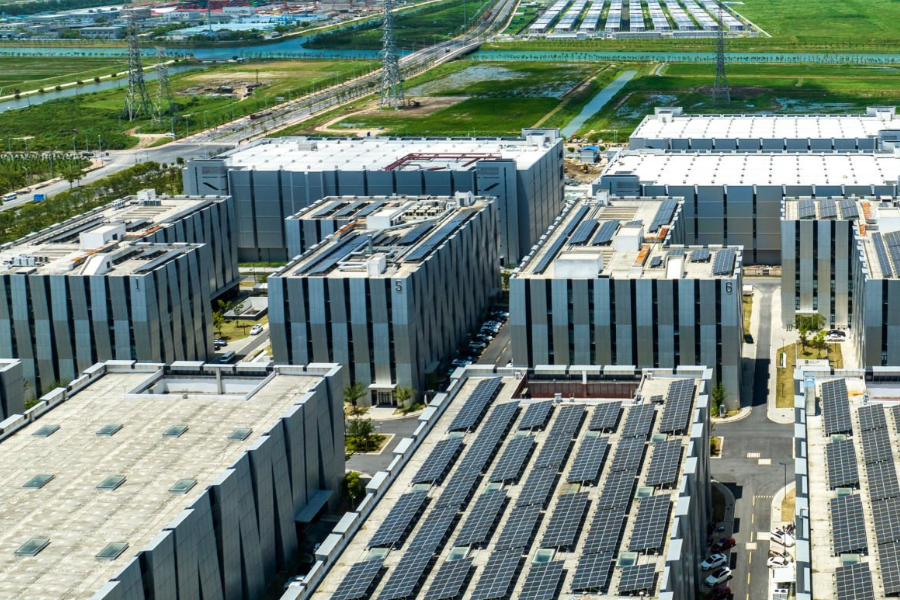
These cases confirm that Commercial & Industrial Energy Storage delivers both tangible economic benefits and improved energy management efficiency, laying a solid foundation for wider industry adoption and providing actionable reference for other enterprises.
Key Considerations for Commercial & Industrial Energy Storage Deployment
Deploying a Commercial & Industrial Energy Storage system requires comprehensive evaluation across multiple dimensions to ensure efficient operation and reasonable return on investment.
System selection and layout planning
Proper system sizing and technology selection are the top priorities. Enterprises should evaluate different storage technologies such as lithium-ion batteries and sodium-sulfur batteries based on their load characteristics and storage requirements to select the most suitable solution. The scale and layout of the system should also be carefully planned, with reasonable placement of storage equipment to ensure seamless integration with existing power facilities for optimal operational efficiency.
Policy support and market environment
Policy support and market conditions are also critical factors. National and local government policies for the energy storage industry directly impact investment returns and payback periods. Electricity price fluctuations also greatly affect the economic benefits, so thorough cost analysis and risk assessment are necessary for flexible response to market changes. Close communication with grid operators and equipment suppliers is also essential to secure necessary technical support during implementation.
Personnel training and operation maintenance
Staff training is a key part of the deployment process. Providing targeted training resources ensures operators can proficiently master system management and maintenance, which improves team efficiency, reduces maintenance costs and enhances overall enterprise competitiveness.
Comprehensive consideration of these factors enables enterprises to advance the deployment and implementation of Commercial & Industrial Energy Storage systems in a more systematic and efficient manner.
Future Trends & Technology Innovation in Commercial & Industrial Energy Storage
As the Commercial & Industrial Energy Storage market continues to grow, advancing technological innovation is critical to achieving higher application efficiency and industry breakthroughs.
- Advanced energy storage materials: Research and development of new energy storage materials, including next-generation lithium batteries and solid-state batteries, will further improve the safety and service life of energy storage systems, bringing greater optimization for enterprise operation.
- Intelligent management systems: Intelligent management systems powered by big data analysis and artificial intelligence will lift the operational efficiency and response speed of energy storage systems. Cloud-based platforms enable real-time monitoring and optimization of energy use while reducing maintenance costs.
- Improved policy and standard systems: Policy support and industry standards will also accelerate technological innovation. Incentive policies from governments and relevant organizations encourage enterprises to invest in technology R&D, driving the entire industry toward higher efficiency and lower carbon emissions.
These combined measures will drive continuous advancement of Commercial & Industrial Energy Storage technology, enabling it to better serve economic and environmental goals for enterprises worldwide.
Comments