
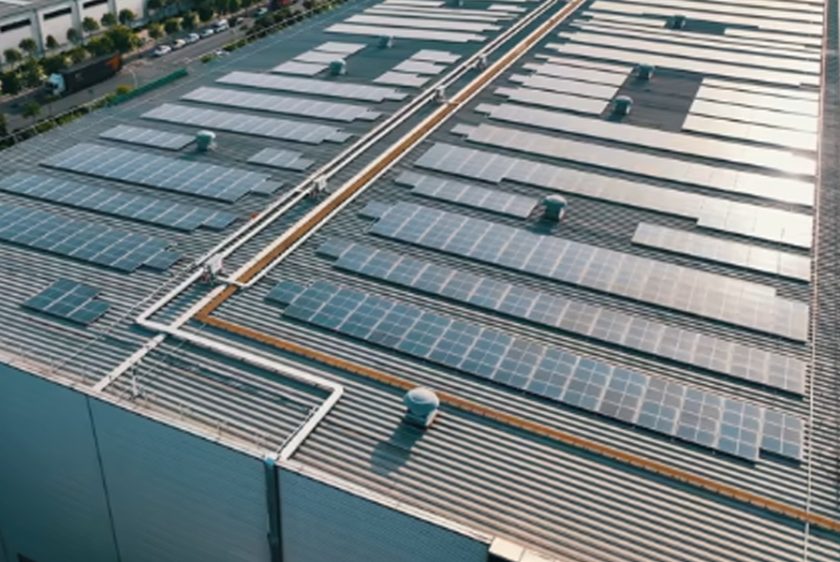
A solar-storage hybrid system is the cornerstone of maximizing the utilization of photovoltaic (PV) power resources, delivering a highly efficient, flexible solution for modern energy systems. By integrating solar generation, battery storage and power conversion into a unified framework, a solar-storage hybrid system addresses the inherent intermittency of solar energy and unlock greater operational and economic value for commercial, industrial and utility-scale applications.
Core Design Principles of High-Efficiency Solar-Storage Systems
At the system design level, a modular architecture is the foundational principle for reliable, scalable solar-storage hybrid solutions. This design allows PV modules, energy storage units and inverter systems to be combined flexibly to match energy demand across different scenarios, from small commercial rooftops to large industrial parks and utility-scale power stations.
Modular configuration not only improves overall resource utilization by aligning system capacity with actual load requirements, but also reserves sufficient space for later capacity expansion and technology upgrades. Enterprises can start with a scaled-down deployment and expand storage capacity as energy demand grows, avoiding excessive upfront investment and improving the flexibility of return on investment planning. This plug-and-play structure also simplifies on-site installation and later maintenance work for a standard solar-storage hybrid system.
Smart Energy Management for Optimized Operational Performance
Intelligent energy management systems (EMS) lie at the core of maximizing the operational benefits of solar-storage hybrid systems. The EMS continuously monitors real-time PV generation output, battery state of charge and on-site load demand, and automatically adjusts charging and discharging strategies to realize dynamic, data-driven energy regulation.
For example, the system prioritizes charging the battery bank during daylight hours when solar irradiance is high and on-site load is relatively low. During evening hours or peak tariff periods, stored energy is discharged to power on-site operations instead of drawing expensive grid electricity. This intelligent scheduling significantly improves solar self-consumption rates, reduces reliance on grid power and lowers overall energy costs for end users. Advanced EMS platforms also support remote monitoring and custom strategy settings, allowing operators to adjust performance parameters of the solar-storage hybrid system based on seasonal changes and time-of-use tariff adjustments.
Multi-Energy Complementarity for Enhanced System Stability
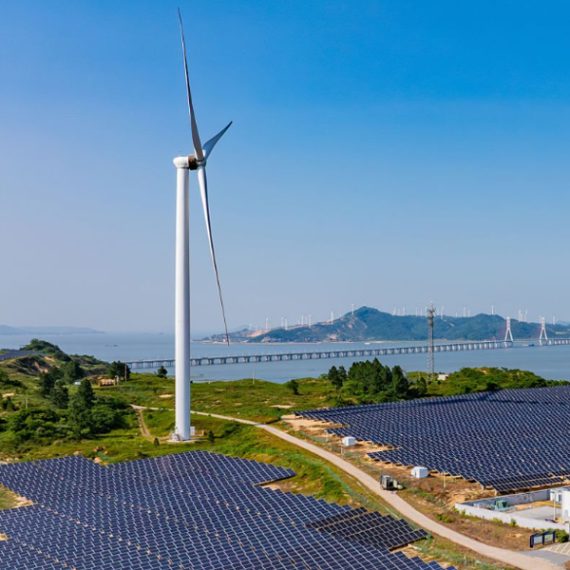
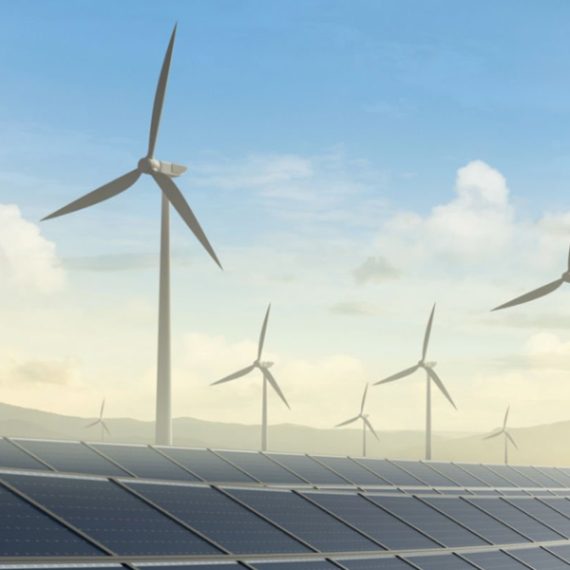
Integrating solar power with other renewable energy sources such as wind power and biomass energy is another key pathway to improve the stability of solar-storage hybrid energy systems. A unified energy dispatch platform coordinates output from multiple generation sources, creating complementary performance across different weather conditions and time periods.
For instance, wind power often performs better during nighttime and cloudy days when solar output drops, while biomass energy provides stable, dispatchable baseload power. When combined with battery energy storage, this multi-energy structure greatly improves the continuity and security of energy supply, making the system suitable for both grid-tied and off-grid microgrid scenarios. For remote industrial sites or areas with unstable grid power, this hybrid architecture delivers far greater reliability than standalone solar systems, and reduces the risk of production losses caused by power outages.
Economic Advantages of Optimized Solar-Storage Solutions
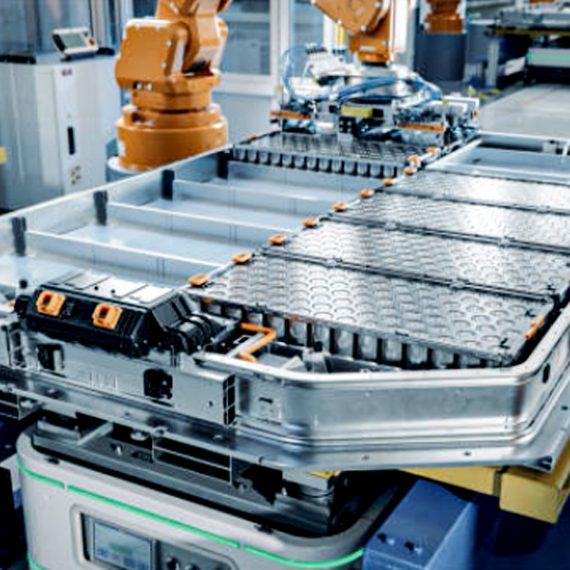
From an economic perspective, the application of high-performance, low-cost energy storage technology is key to maximizing the return on investment of a solar-storage hybrid system; paired with optimized material selection and manufacturing processes, it improves both the safety and stability of solar-storage hybrid systems while effectively reducing total investment costs.
Advancements in lithium-ion battery technology and scaled global production have driven steady declines in storage hardware costs in recent years, directly improving the return on investment for PV projects. By maximizing self-consumption of solar power and reducing peak demand charges, enterprises can achieve measurable savings on electricity bills, shortening the payback period of the entire system. The deep integration of solar and storage represents not only technological innovation, but also a practical implementation of sustainable development, balancing long-term economic returns with environmental benefits.
Advancements and Future Trends in Photovoltaic Technology
In recent years, photovoltaic technology has made breakthrough progress in conversion efficiency, reliability and cost performance, laying a solid foundation for the wider adoption of solar-storage hybrid systems.
Monocrystalline silicon and thin-film PV technologies have reached widespread commercial maturity, with steadily improving conversion efficiency year over year. Meanwhile, the rapid development of emerging materials such as perovskite tandem cells brings new opportunities for further efficiency gains in PV modules. Today, PV products are deployed across a wide range of scenarios, creating growing market demand for the solar-storage hybrid system across residential rooftops, commercial stations, industrial parks and large utility-scale solar farms.
The integration of intelligent control technology has further driven the evolution of PV systems. Platforms powered by AI algorithms, big data analysis and intelligent operation and maintenance can optimize the operating status of PV arrays in real time, improving power generation efficiency and reducing long-term maintenance costs. With the deep integration of energy storage systems, solar power has evolved from a single generation model to an integrated “solar + storage + smart management” system, further improving overall system resilience and economic performance.
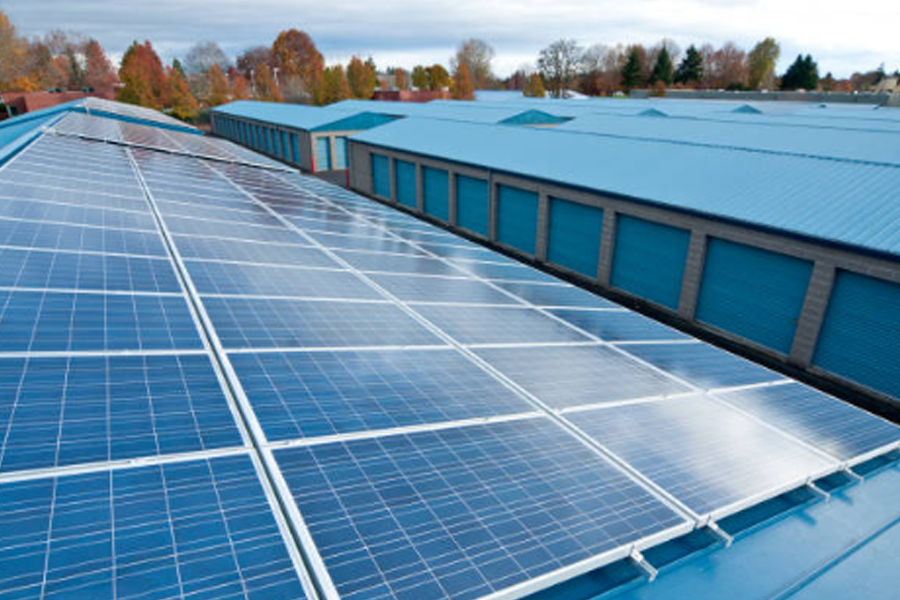
Looking ahead, policy support and growing market demand will continue to drive technological innovation. Continuous breakthroughs in solar and storage technology will provide stronger support for global energy transition, making clean energy utilization more efficient, stable and sustainable.
How Energy Storage Improves Solar Generation Efficiency
Energy storage systems are the critical solution to addressing the intermittency of photovoltaic power generation, and they are the core hardware that enables a solar-storage hybrid system to deliver reliable performance across multiple dimensions.
First, they smooth output fluctuations and improve grid compatibility. By storing excess power during periods of high solar irradiance and releasing it during low-light periods or peak load hours, storage systems balance power supply and demand and improve overall system energy efficiency. This smoothing effect also reduces voltage and frequency fluctuations, making solar power more grid-friendly and reducing the risk of grid instability.
Second, they improve solar resource utilization and reduce curtailment. Energy storage effectively captures surplus PV power that would otherwise be wasted, reducing curtailment rates and ensuring every watt of clean solar generation is put to productive use. Higher self-consumption rates directly translate to greater economic returns from PV installations.
Third, they reduce energy costs through tariff optimization. Combined with time-of-use tariff structures, storage systems allow users to charge during low-price off-peak periods and discharge during high-price peak periods, significantly reducing energy expenses. For commercial and industrial users, this also helps reduce peak demand charges, which often represent a large portion of overall electricity bills.
Fourth, they extend equipment lifespan and improve system reliability. Properly configured energy storage systems, whether based on lithium-ion or lead-carbon batteries, reduce load fluctuations on electrical equipment and improve the overall reliability of the on-site energy system.
As AI, big data and Internet of Things technologies are increasingly integrated into energy storage systems, solar-storage hybrid systems are becoming more intelligent, automated and efficient, and will play a central role in the future global clean energy system.
Overall, solar-storage hybrid systems represent the future direction of renewable energy development. Through modular design, intelligent management, multi-energy complementarity and continuous technological progress, the solar-storage hybrid system will deliver greater efficiency, stability and economic value for all types of energy users.
Comments