
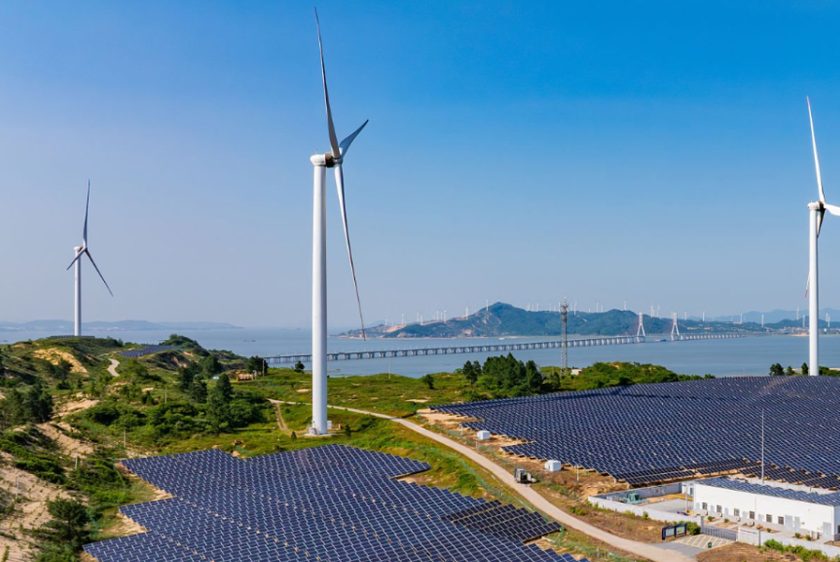
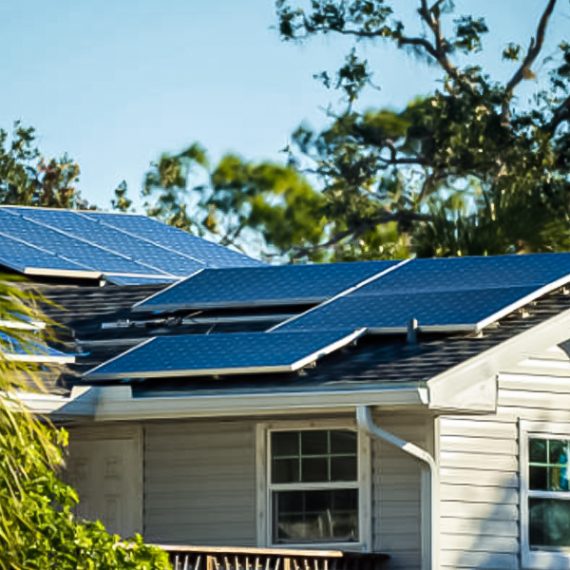
An island solar energy storage system is an integrated clean energy solution that converts sunlight into electricity via photovoltaic modules and stores surplus power in battery units for on-demand use. Composed of core components including PV modules, inverters and battery banks, these systems capture solar energy during daylight hours and deliver stable power supply at night, on cloudy days or during adverse weather events.
When designing an island solar energy storage system, engineers must account for unique geographical and climatic conditions. Island locations often feature highly variable sunlight and wind patterns, which impose stricter requirements for power supply stability and continuity. By combining photovoltaic and energy storage technology, these systems boost local energy self-sufficiency and reduce reliance on external conventional energy supplies. This allows island communities to access the benefits of clean energy while building resilience against sudden energy supply disruptions, ultimately improving overall quality of life.
Core Energy Demand Drivers for Island Solar Energy Storage Deployment
Island projects face unique energy supply challenges that set them apart from mainland locations, making targeted renewable solutions essential for long-term viability.
First, geographical isolation creates scarcity of accessible energy resources. Conventional fossil fuel supply chains are difficult and costly to establish on remote islands, making renewable energy a necessary alternative rather than an optional upgrade. Shifting to renewable sources not only reduces external energy dependence but also improves supply stability, ensuring basic power access across variable weather conditions.
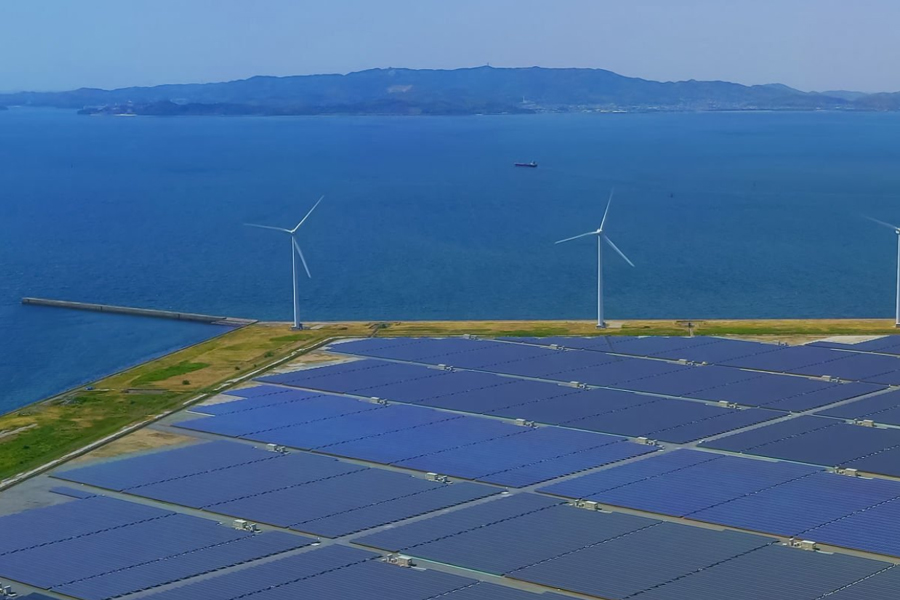
Second, the harsh island environment introduces additional supply risks. Frequent storms and extreme weather events often disrupt fuel transportation, creating unpredictable fluctuations in power availability. This unreliability further highlights the value of an island solar energy storage system, which captures abundant solar energy and stores surplus power to deliver consistent, reliable electricity when needed. By integrating these renewable resources, island communities can meet growing electricity demand while building resilience against external environmental and supply chain disruptions.
Key Economic Benefits of Island Solar Energy Storage Systems
An island solar energy storage system delivers significant economic advantages for island projects, especially when compared to traditional diesel-based power supply models.
First, on-site solar generation drastically reduces energy procurement costs. In remote island locations where imported fuel and grid extension are prohibitively expensive, self-generated solar power eliminates high transportation costs and volatile fuel prices. This cost stability is particularly critical for long-term island project budgeting and financial planning.
Second, many regional governments offer subsidies and incentive policies for renewable energy deployment in remote areas. These financial supports shorten the project payback period and improve overall financial returns for investors and project owners.
Third, the systems reduce long-term operational and maintenance overhead. Unlike diesel generators, which require frequent fuel deliveries and regular engine servicing, a well-designed island solar energy storage system has minimal moving parts and lower ongoing maintenance requirements, delivering steady cost savings over its 15–20 year service life.
Environmental Advantages of Island Solar Energy Storage Solutions
Environmental protection is another core driver for adopting island solar energy storage systems, as island ecosystems are typically ecologically fragile and highly sensitive to pollution and human disturbance.
Solar-storage technology directly reduces carbon emissions by replacing fossil fuel-based power generation, cutting reliance on diesel and coal and advancing core sustainable development goals. Beyond greenhouse gas reduction, reducing fossil fuel transportation also lowers the risk of fuel spills and associated marine environmental damage, helping to protect coastal ecosystems and preserve marine biodiversity.
For island economies reliant on eco-tourism, adopting clean energy systems also strengthens green branding and supports sustainable tourism development. Deploying an island solar energy storage system therefore achieves both economic returns and environmental stewardship, laying a solid foundation for the long-term sustainable development of island projects.
Technical Features of Reliable Island Solar Energy Storage Systems
Several key technical features make the island solar energy storage system uniquely suited to harsh and variable island operating conditions.
First, PV conversion efficiency continues to improve year over year. Modern high-efficiency monocrystalline silicon modules achieve conversion rates of over 20%, maximizing power generation even with limited installation space and variable sunlight conditions.
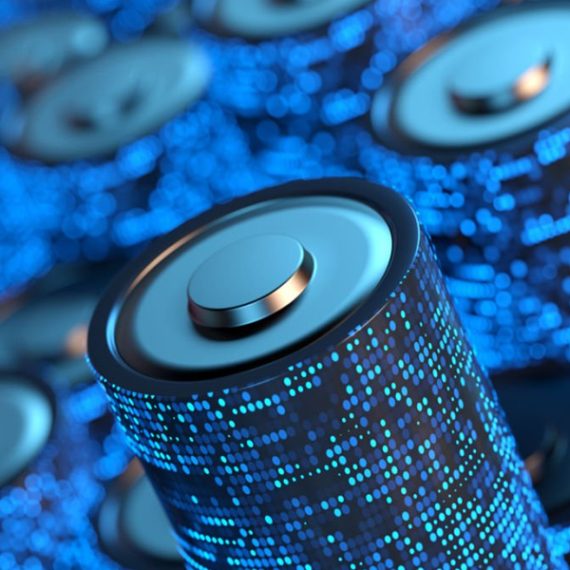
Second, advanced lithium-ion battery technology delivers long service life and fast load response. These battery systems can rapidly adjust output to match sudden load changes, maintaining stable power supply for island residents and facilities. Built-in battery management systems (BMS) monitor cell voltage and temperature in real time to ensure safe, reliable long-term operation.
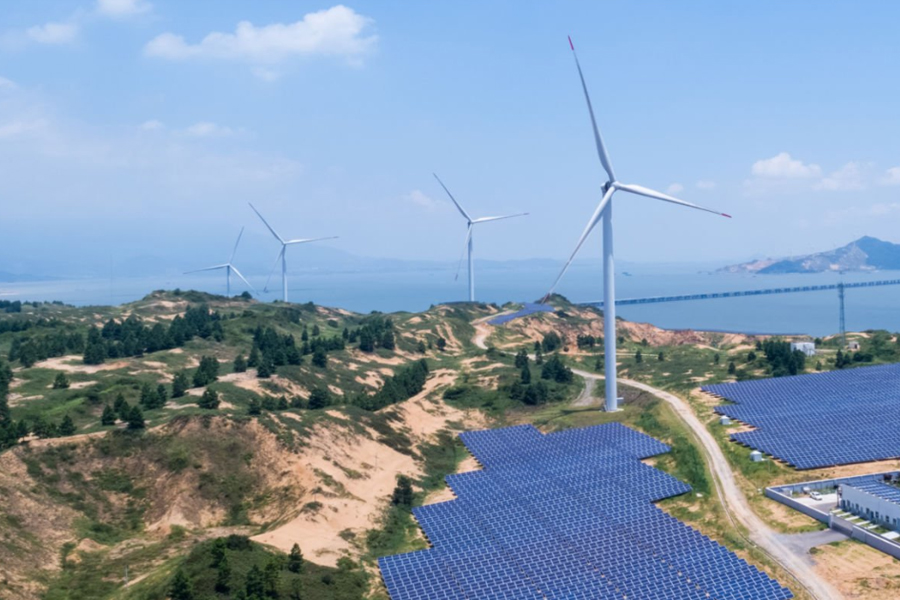
Third, intelligent monitoring and energy management systems (EMS) continuously track generation, storage and load data, optimizing energy allocation and usage strategies automatically. This intelligence allows the system to adapt to the variable weather and load patterns typical of island environments.
Fourth, purpose-built island designs include salt spray corrosion protection and weather-sealed components, which are critical for withstanding the high-humidity, high-salt coastal environment and extending overall equipment service life.
Best Practices for Deploying Island Solar Energy Storage Systems
Successful implementation of an island solar energy storage system relies on structured upfront planning, professional installation and proactive long-term maintenance.
Thorough planning and design is the critical first step. Project teams must conduct detailed analysis of the island’s geography, climate patterns and energy load profiles to ensure the system is sized to maximize solar resource utilization. Properly matched PV capacity and battery storage volume improves overall system efficiency and reliability. All designs must also comply with local regulations and construction standards to ensure full regulatory compliance.
For ongoing operation and maintenance, regular equipment inspections and module cleaning are required to maintain long-term stable performance, especially in dusty or salt-heavy coastal environments. Detailed operational logs support early fault detection and timely performance adjustments. Periodic technology upgrades can also be implemented to accommodate growing energy demand over time.
Scientific, proactive maintenance greatly extends the service life of an island solar energy storage system, supporting long-term sustainable island development and maximizing resource utilization efficiency.
Overall, the island solar energy storage system addresses the core pain points of remote island power supply, delivering balanced economic, environmental and technical value for island communities. As solar and storage technologies continue to advance, these systems will become increasingly cost-effective and reliable, making them the standard power solution for island development projects worldwide.
By prioritizing tailored design, environment-hardened equipment and professional long-term maintenance, island project owners can deploy solar energy storage systems that deliver stable, affordable and clean power for decades, supporting both improved living standards and long-term ecological sustainability for island communities.
Comments