
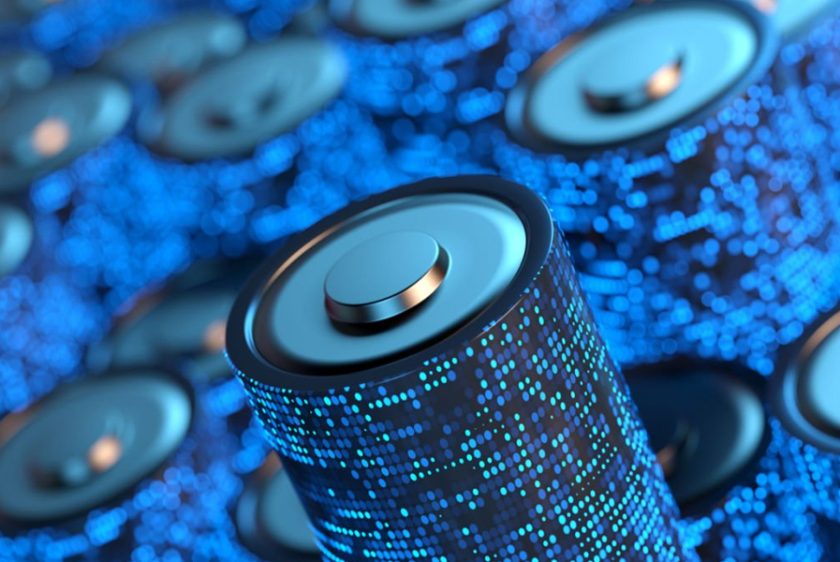
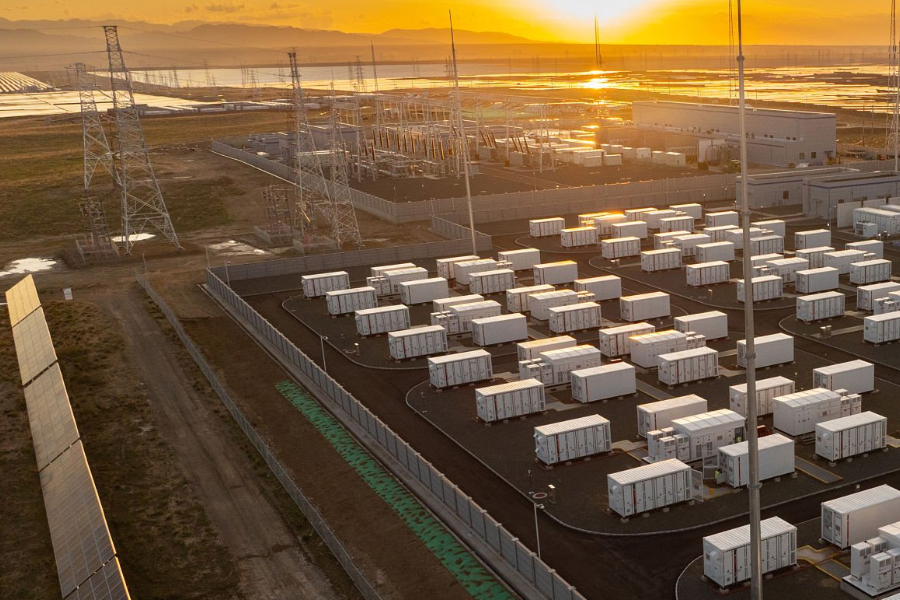
Commercial & Industrial (C&I) energy storage batteries refer to energy storage systems specially engineered for commercial and industrial scenarios, which primarily store electric power and discharge it on demand. Typically installed in industrial plants, large commercial premises and renewable energy facilities, such batteries mitigate power fluctuations and peak electricity loads. Functioning as power regulators, they balance energy supply and demand while guaranteeing reliable and efficient power supply. Compared with conventional storage batteries, C&I energy storage batteries deliver superior charge-discharge efficiency and extended service life, delivering pronounced economic benefits for large-scale deployment.
A diverse portfolio of cutting-edge materials and technologies are adopted to boost battery performance, including lithium-ion, lead-acid, sodium-sulfur and other battery chemistries. Driven by the rapid expansion of renewable energy, these energy storage systems have grown increasingly indispensable. They effectively ease strain on grid power supply and maximize the utilization rate of renewable energy sources. Looking ahead, a wider range of customized solutions tailored to diverse industrial operational requirements will emerge. Such systems will facilitate corporate green transformation, cut carbon emissions, and accelerate the sustainable development of the entire industry.
Advantages of Commercial & Industrial Energy Storage Batteries
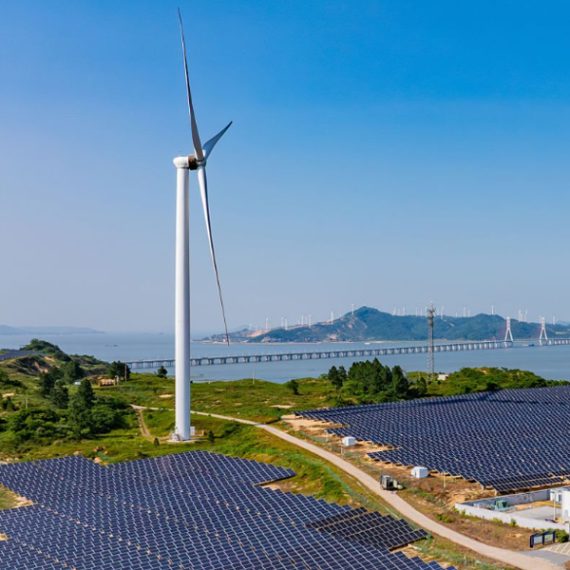
The standout merit of C&I energy storage batteries lies in drastically improved energy utilization efficiency. Enterprises can store surplus power during off-peak hours and draw on stored electricity at peak load periods, avoiding steep peak electricity tariffs. Moreover, energy storage systems enable enterprises to better integrate new energy sources such as solar and wind power, which is pivotal to elevating overall energy efficiency.
Additionally, C&I energy storage batteries drive down operational expenses. Amid volatile grid load demands, high-efficiency energy storage systems empower enterprises to respond flexibly, alleviating financial risks brought by fluctuating electricity prices. This not only reduces day-to-day operational overheads but also unlocks extra profit margins for businesses.
Lastly, these batteries strengthen grid and on-site power system stability. Unstable power supply severely disrupts industrial manufacturing; energy stored in batteries provides robust safeguards against unexpected power outages and load surges. Such reliability is critical to modern industrial production, sustaining uninterrupted, high-efficiency operation of machinery and manufacturing workflows.
Technical Challenges in Industrial Deployment
Multiple prominent technical hurdles persist in the industrial application of C&I energy storage batteries, mainly covering the selection and optimization of battery raw materials, consistency control throughout manufacturing, and sustainability of mass production. Proper material selection is of paramount importance, as different chemistries directly determine a battery’s energy density, cycle life and safety performance.
Maintaining uniform performance across production batches poses another major challenge for large-scale manufacturing. Minor inconsistencies arising from variable factory equipment and environmental conditions may trigger dramatic deviations in overall product performance. Furthermore, pack-level design must balance space optimization and thermal dissipation efficiency. While these technical barriers remain complex, continuous technological innovation and iterative upgrades enable viable countermeasures to enhance the overall performance and application adaptability of C&I energy storage batteries.
Overview of Mainstream Energy Storage Battery Chemistries
A wide array of battery technologies are widely deployed in the C&I energy storage sector. Lithium-ion batteries stand out as the mainstream option, boasting high energy density and long cycle life. With outstanding charge-discharge efficiency and compact footprint, they fit most industrial application scenarios.
Lead-acid batteries still retain considerable market share, featuring low upfront costs and well-matured manufacturing technology that allows rapid on-site deployment. Despite their lower energy density, their stable performance and service life render them suitable for niche use cases.
As a representative high-temperature energy storage technology, sodium-sulfur batteries support large-capacity energy storage with eco-friendly attributes, marking a promising development trajectory for the industry. Engineers can select optimal battery technologies based on the unique operational requirements of each industrial site to maximize system efficiency and operational reliability. Comprehensive comparative analysis of various battery chemistries delivers deeper insights into the importance of matching bespoke storage solutions to specific application scenarios.
Effective Strategies to Mitigate Technical Barriers
A suite of targeted optimization measures can be implemented to address manufacturing bottlenecks of C&I energy storage batteries. First, automated production lines and advanced manufacturing equipment can be deployed to lift throughput and batch consistency. This approach slashes labor costs and minimizes human-induced production defects. Modular design represents another powerful optimization tactic, streamlining component manufacturing while enhancing the maintainability and scalability of complete energy storage systems.
Second, rigorous screening and pre-treatment of raw materials are essential. High-efficiency, highly stable electrolytes and electrode materials are prioritized to boost battery performance and extend cycle life. Optimized pre-treatment workflows—such as calibrated surfactant selection and formulation tuning—strengthen interfacial bonding between electrode materials and electrolytes, substantially lifting the overall energy storage capacity and performance of finished cells.
Comments