
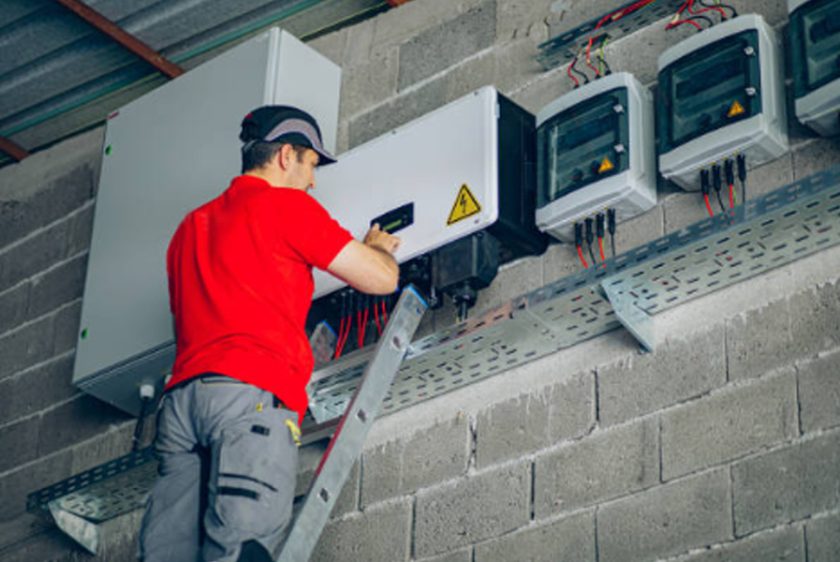
An inverter is an electronic device that converts direct current (DC) into alternating current (AC) through a precise internal operating mechanism.
At its core, the device periodically turns switching elements on and off to reverse the direction of current flowing through the circuit. Beyond basic current conversion, it adjusts output voltage and frequency according to real-time load requirements to deliver stable AC power. Most modern units use Pulse Width Modulation (PWM) technology to shape the output waveform, which improves power quality and reduces harmonic distortion.
Core Components of an Inverter
After understanding its basic operating mechanism, we can break down the core structure of a standard power conversion system. A typical system consists of three core modules that work in tight coordination.
Control Unit
The control unit acts as the brain of the inverter. It monitors input voltage levels and output load conditions in real time, and adjusts operating parameters dynamically to maintain stable performance.
Power Conversion Unit
As the core hardware for DC-to-AC conversion, the power conversion unit is usually composed of multiple switching transistors. It executes current direction switching under the control of the control unit to complete the basic power conversion process.
Filtering Unit
The filtering unit is responsible for smoothing the output electrical signal. It eliminates fluctuations and impurities in the converted current, ensuring end users receive high-quality, stable alternating current.
Together, these three modules enablethe system to complete power conversion efficiently and reliably across various application scenarios.
Key Functions and Features of Inverters
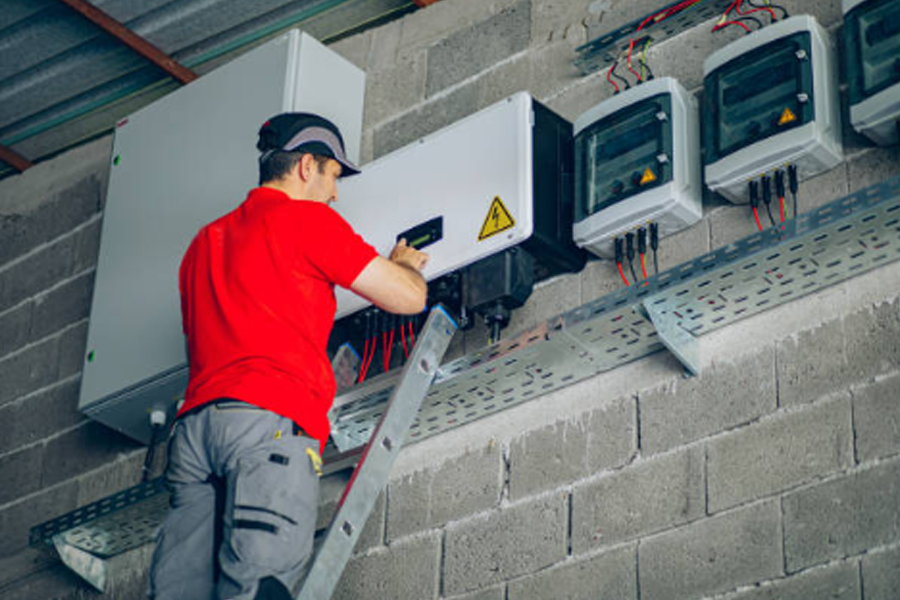
These DC-to-AC devices play multiple critical roles in modern power systems, making them indispensable for renewable energy and industrial power infrastructure.
First, they enable DC-to-AC power conversion, a function essential for a wide range of power applications. Most renewable energy devices, such as solar panels, generate direct current, while the vast majority of residential and industrial equipment runs on alternating current. This conversion technology bridges this gap and makes renewable energy compatible with standard power systems.
Second, this equipment delivers exceptional energy conversion efficiency. High-performance models typically achieve a conversion efficiency of over 95%, which minimizes energy loss during transmission and makes clean energy systems more cost-effective and environmentally friendly.
Third, they improve overall power quality. They regulate output voltage and frequency to match the strict requirements of electrical equipment, ensuring safe, stable operation for all connected loads.
In addition, modern models come with comprehensive safety features, including overload protection and short-circuit protection. Through real-time monitoring and automatic protection mechanisms, they effectively prevent potential equipment damage and safety risks. Choosing a high-quality solution is therefore a critical step to improve both energy efficiency and system safety.
Inverter vs. Transformer: Key Differences
Both devices are essential components in power systems, but they serve entirely different functions and operate on distinct principles.
Core Function Difference
The primary function of an inverter is to convert direct current to alternating current. It allows DC power generated from solar, wind and other renewable sources to be fed into the AC grid, greatly improving energy utilization efficiency.
Transformers, by contrast, are designed to change the voltage level of alternating current. They work on the principle of electromagnetic induction, and are mainly used in power transmission and distribution systems.
Structural Difference
It typically consists of power switches, a control system and filter components, all working together to achieve DC-to-AC conversion.
A transformer is made up of a primary coil, secondary coil and iron core, which transfer energy through electromagnetic induction. The two devices have fundamentally different structures and operating mechanisms.
Performance Feature Difference
- These units have the ability to adjust output frequency and phase, allowing them to adapt to varying load conditions.
- Transformers only handle energy transmission and voltage conversion, and do not participate in frequency regulation.
Against the backdrop of growing demand for clean energy, both devices play unique and irreplaceable roles in modern power infrastructure.
Common Application Scenarios of Inverters
This equipment has a wide range of applications across daily life and industrial operations, supporting the stable operation of various power systems.
Renewable Energy Systems
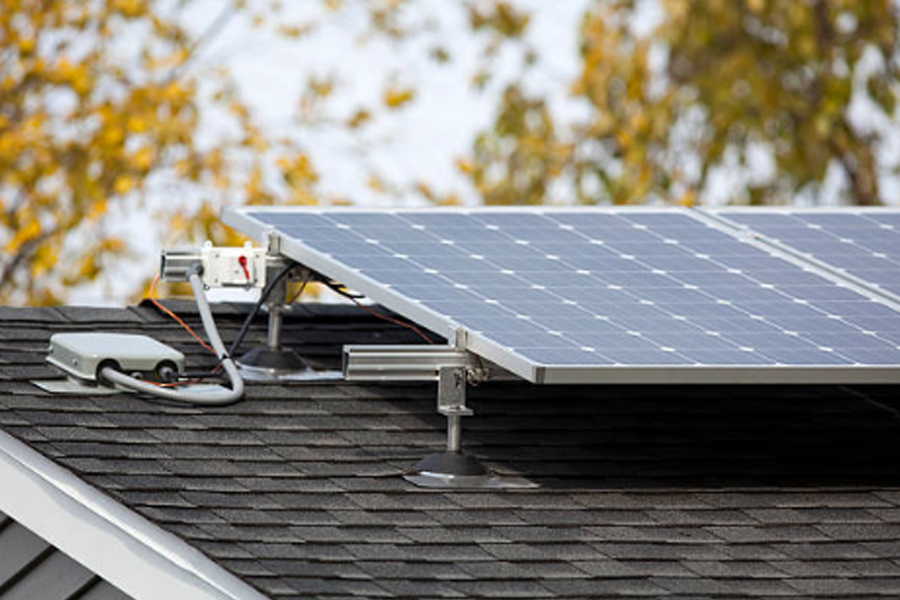
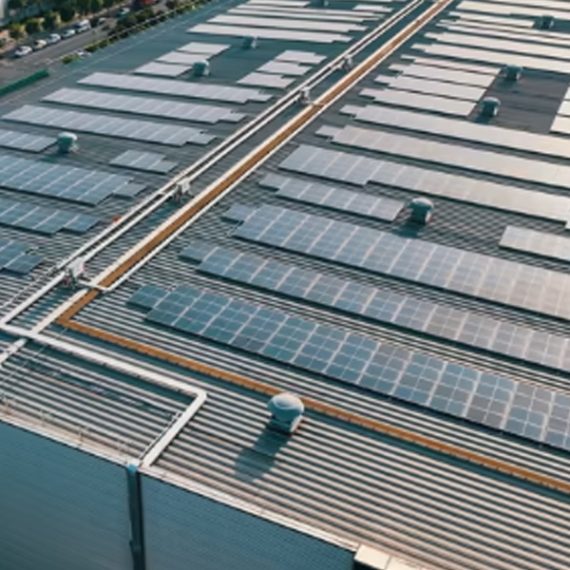
In the renewable energy sector, they are a core component of solar PV systems. They convert DC power generated by solar panels into AC power for residential and industrial use, enabling clean energy to power standard electrical equipment. They also play a key role in wind power systems, converting DC output from wind turbines into grid-compatible alternating current.
Uninterruptible Power Supply (UPS)
They are an integral part of Uninterruptible Power Supply (UPS) systems. They protect office and household electronic devices from damage caused by power outages or voltage fluctuations by providing stable backup power.
Electric Vehicles and Transportation
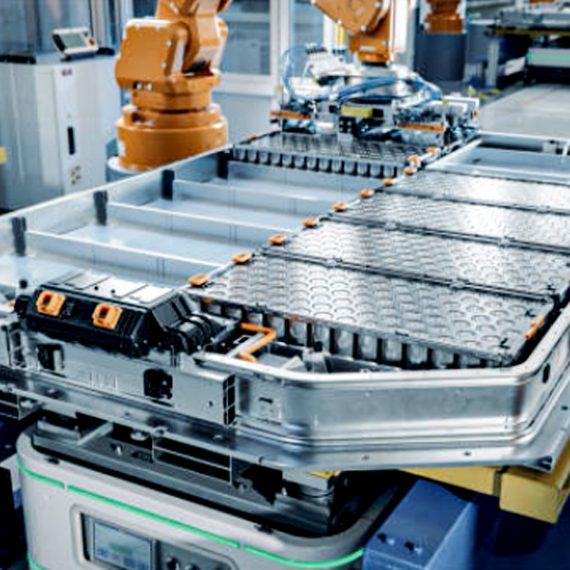
In electric and hybrid vehicles, they convert DC power stored in batteries into AC power to drive the motor, directly supporting vehicle performance and driving range.
Smart Home and Industrial Systems
With the growing popularity of smart home devices and industrial automation systems, such solutions are increasingly used to ensure stable, high-quality power supply for sensitive electronic equipment.
Overall, this technology plays an indispensable role across multiple industries in modern society.
Why Choose Inverters for Power Conversion?
Among various power conversion solutions, these devices stand out for their superior performance and wide applicability.
First, they achieve highly efficient DC-to-AC conversion, which improves overall energy utilization and meets the power type requirements of different equipment. They also deliver strong power quality management, reducing harmonic interference through optimized output waveforms to ensure safe, stable operation of electrical loads.
Second, these units feature relatively compact structure and small footprint, making them easy to integrate into various systems — from residential solar setups to large-scale wind power stations.
Third, modern models go beyond basic conversion functions with value-added features such as intelligent monitoring and remote management. These capabilities provide full visibility into device operating status, enabling timely fault detection and simplified maintenance.
From an economic perspective, while such solutions may require a higher initial investment, they improve overall system efficiency in the long run, resulting in measurable energy cost savings. Choosing inverters as your power conversion solution is a reliable decision to boost energy efficiency and ensure power safety.

Comments