Product Positioning
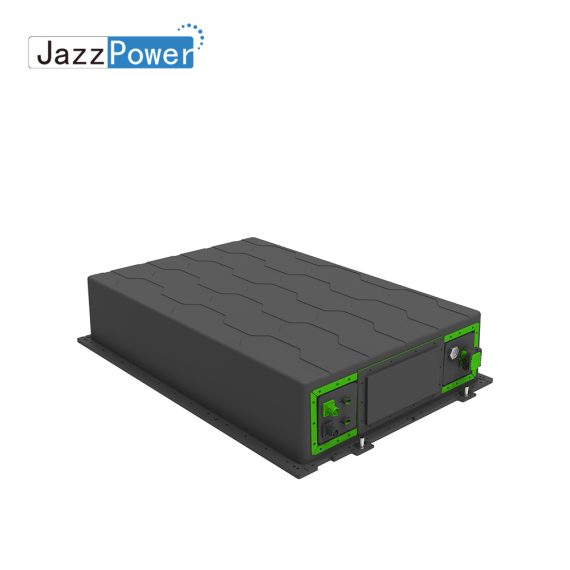
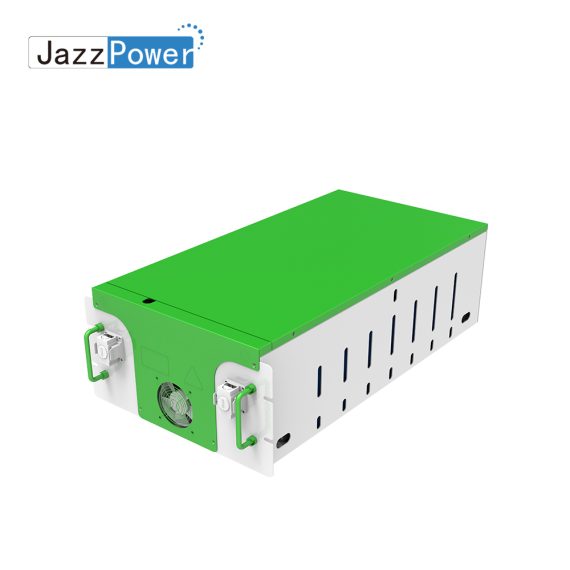
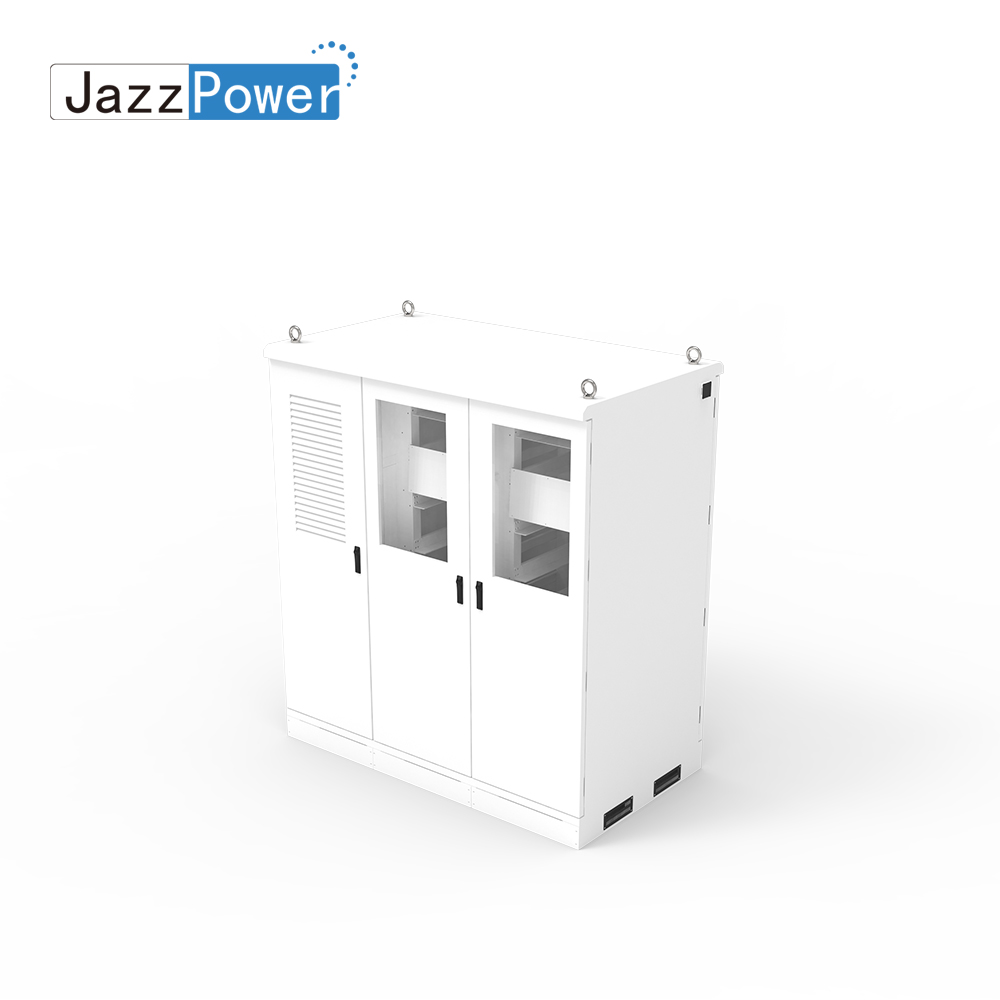
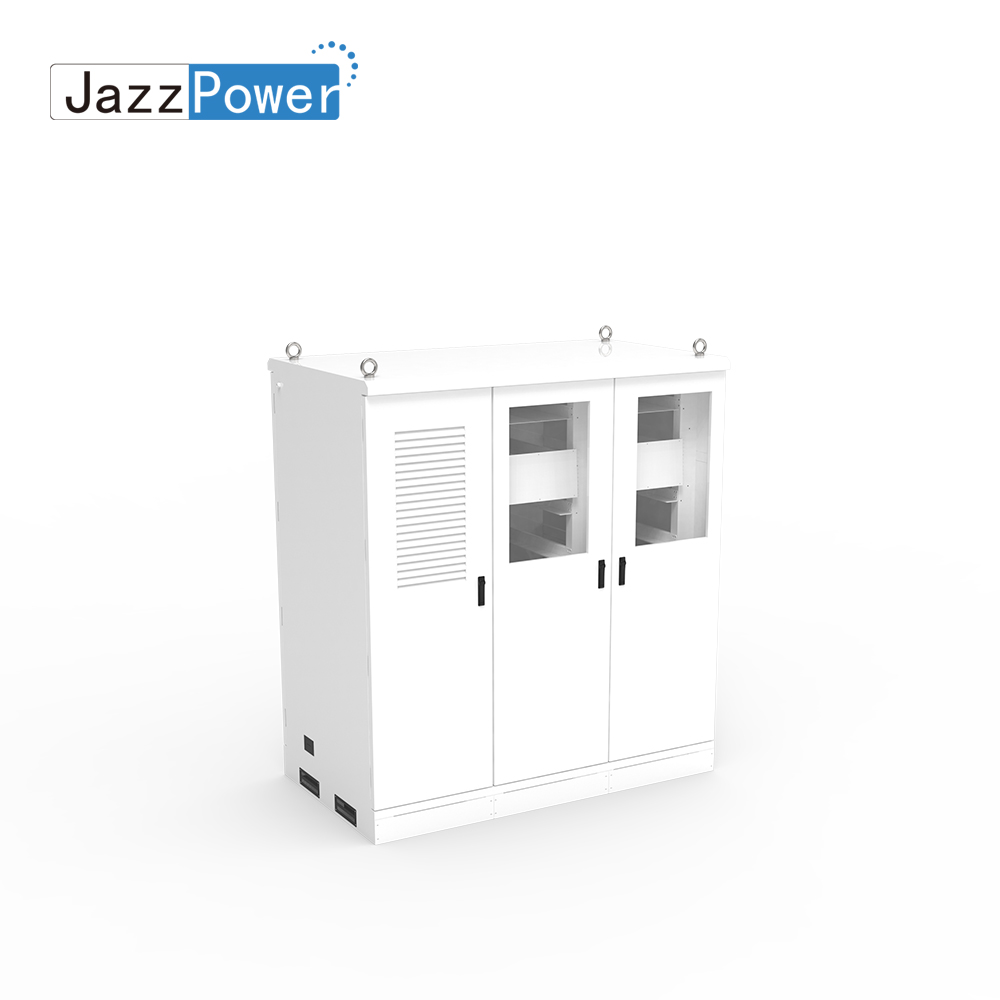
The Mobile Energy Storage Supply System is an all-in-one comprehensive power governance solution tailored for 380V low-voltage distribution scenarios. It deeply integrates core components including battery systems, energy storage power conversion systems (PCS), and energy storage monitoring units into a unified cabinet, and can be seamlessly connected to the low-voltage distribution grid via T-connection.
Targeting prevalent pain points in distribution transformer areas — such as end-of-line low voltage, heavy transformer overload, three-phase load unbalance, substandard power quality, and temporary power supply guarantee demands — this equipment provides a one-stop solution. It serves as a core energy storage asset for boosting distribution network efficiency, enhancing power supply reliability, and optimizing electricity cost performance.
Core Features and Advantages
As a highly integrated grid-side energy storage device, the Mobile Energy Storage Supply System boasts the following core features and advantages:
1. High Integration for Rapid Deployment
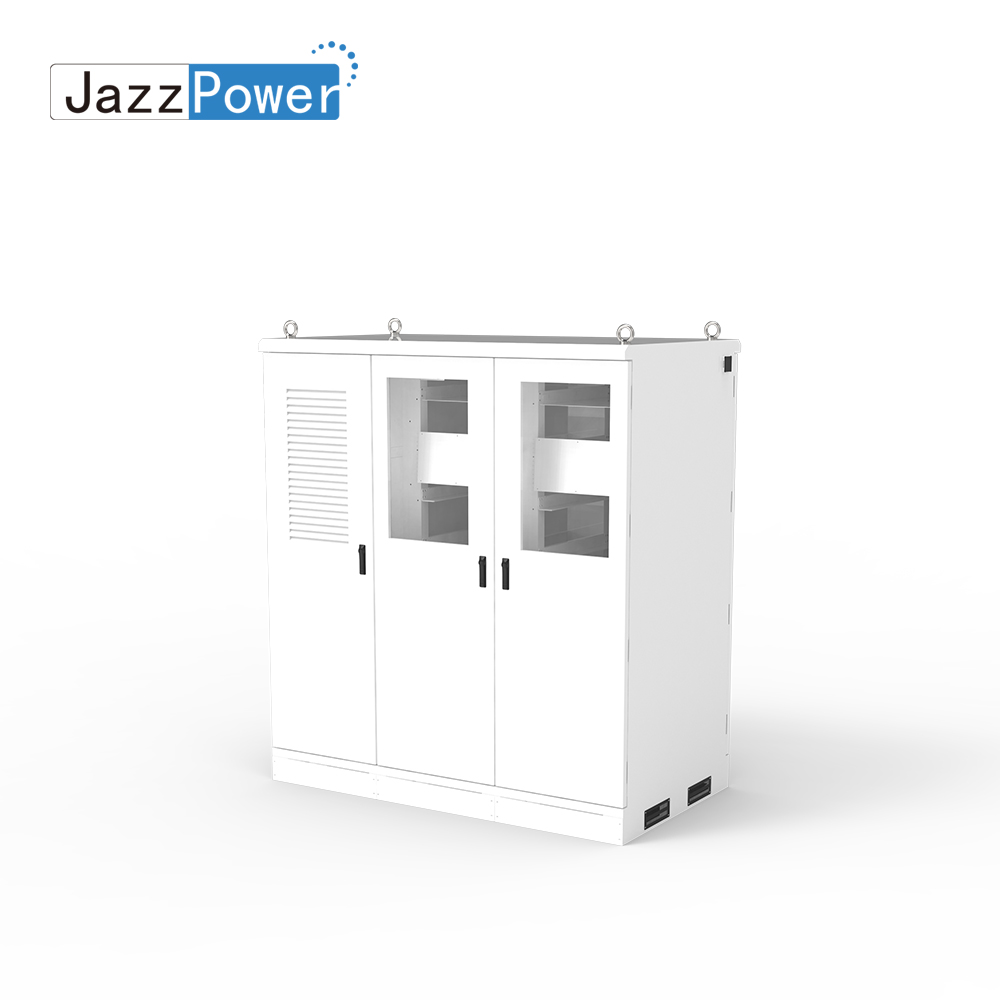
All core components of the Mobile Energy Storage Supply System are housed inside a standard cabinet with a compact footprint and excellent mobility. No complex civil construction or extensive on-site wiring is required; the system can be quickly connected to the 380V distribution network via T-connection and commissioned with simple configuration, significantly cutting deployment time and on-site construction costs.
2. Multiple Operation Modes for Broad Adaptability
The Mobile Energy Storage Supply System supports a wide range of operation modes, including power quality improvement, distribution area overload relief, three-phase unbalance correction, peak shaving and valley filling, and new energy consumption. The system can flexibly switch between modes based on real-time grid conditions and user requirements, covering diverse governance and application demands on the distribution side with a single set of equipment.
3. Advanced Topology with Precise Control
The power unit of the Mobile Energy Storage Supply System adopts a three-phase four-leg topology, enabling independent decoupled control of active and reactive power under grid-connected operation. It supports precise phase-by-phase power regulation to accommodate loads with varying characteristics, ensuring effective power quality governance and stable power delivery.
4. Comprehensive Protection for Reliable Operation
Equipped with advanced islanding detection technology, the Mobile Energy Storage Supply System features dynamic reactive power compensation, standalone off-grid operation, and off-grid black start capabilities. It also incorporates a full electrical protection framework covering islanding protection, DC overvoltage protection, and low voltage ride-through (LVRT), safeguarding both the equipment and the distribution grid during operation.
5. Flexible Scalability for Growing Demands
It supports multi-unit parallel operation with outstanding capacity expandability. The system can be flexibly upgraded to match growing load demands and evolving governance requirements, adapting to distribution scenarios of different scales and development stages.
Structural Design Highlights
The structural design of the Mobile Energy Storage Supply System centers on integration, safety, and scalability, with the following core highlights:
Integrated Cabinet Architecture
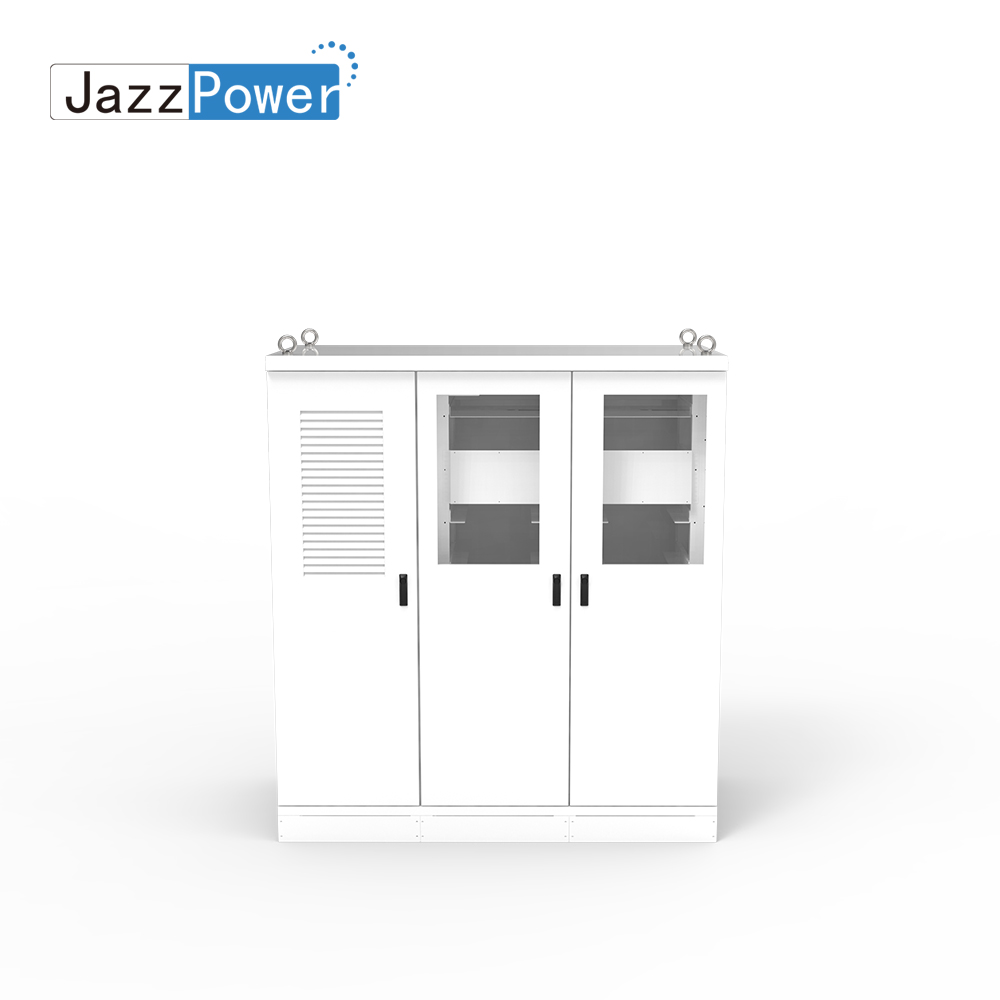
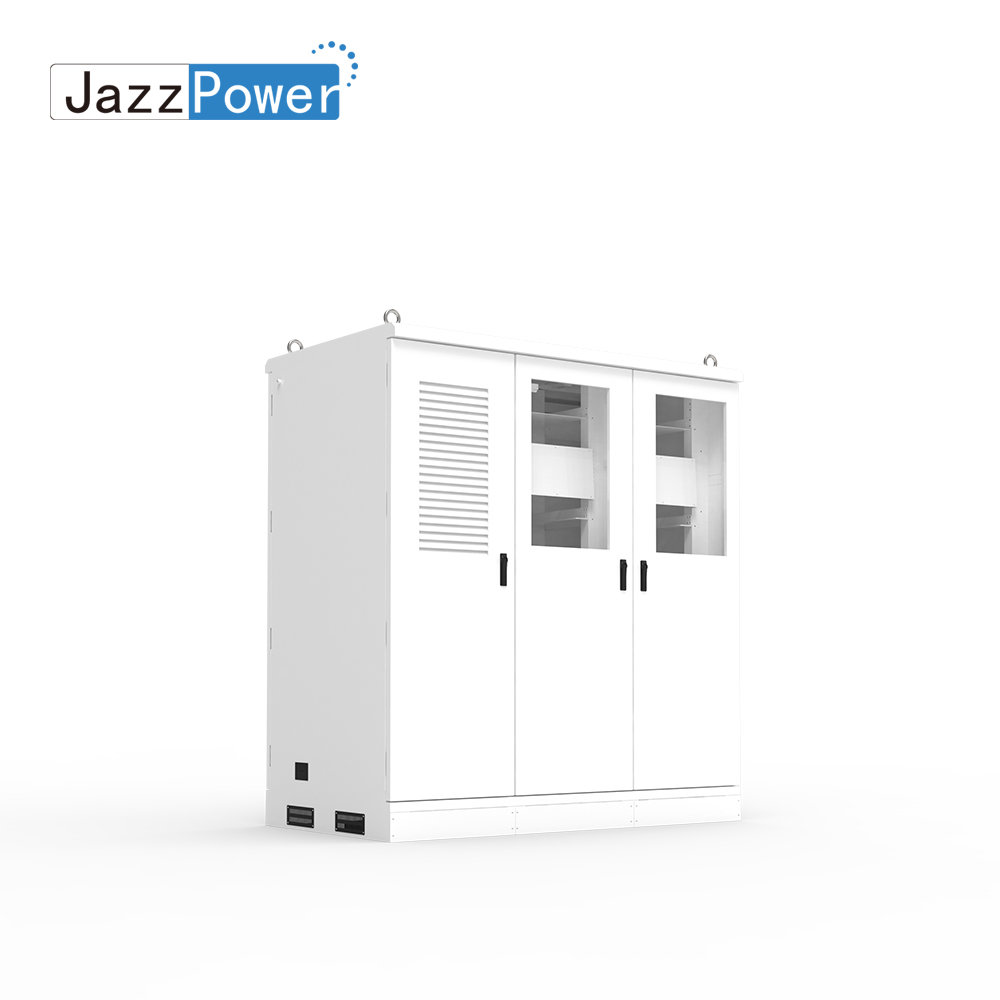
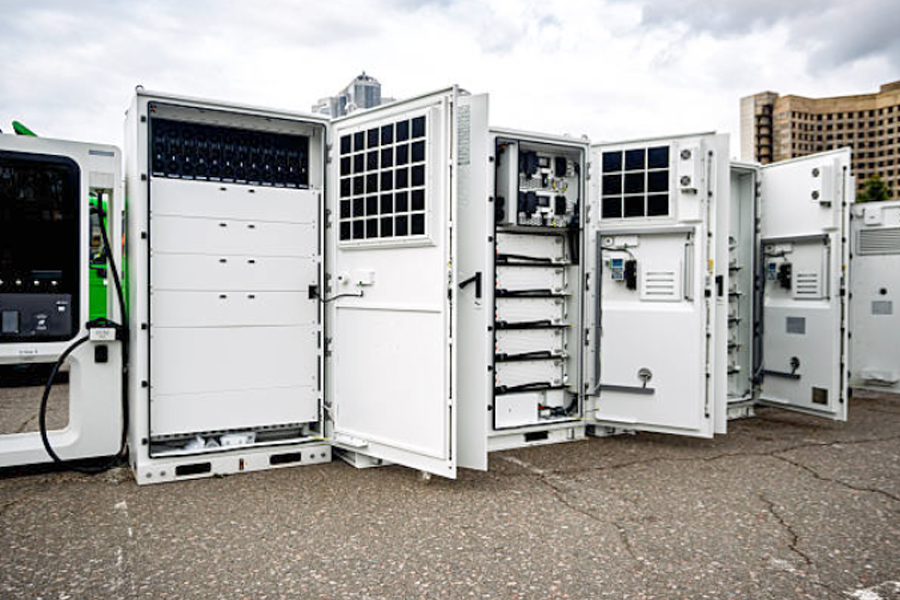
The closed, cabinet-integrated design of the Mobile Energy Storage Supply System consolidates all subsystems — battery storage, power conversion, operation monitoring, and safety protection — into a single enclosure, eliminating the complexity of installing dispersed equipment. Its compact structure and small footprint support flexible transportation and deployment across different distribution areas, enabling true plug-and-play operation and on-demand dispatch.
Three-Phase Four-Leg Core Topology
Compared with conventional three-phase topologies, the three-phase four-leg power architecture adopted by the Mobile Energy Storage Supply System delivers stronger phase-by-phase control and zero-sequence current handling capacity, forming the hardware foundation for three-phase unbalance correction and phase-specific reactive power compensation. It also ensures fast response and high precision in the decoupled control of active and reactive power, handling complex and dynamic load conditions with ease.
Full-Dimensional Safety Protection System
Beyond electrical protection, the Mobile Energy Storage Supply System integrates four dedicated safety systems into its structure: a fire protection system for early warning and rapid fire suppression; access control and video surveillance for physical security; and a thermal management system to maintain batteries and power devices within the optimal temperature range. This multi-layered safety barrier covers electrical, physical, and environmental dimensions to support long-term stable operation.
Modular Expandable Design
The internal core units of the Mobile Energy Storage Supply System adopt a standardized modular design, with each subsystem independently packaged and equipped with unified interfaces. This design simplifies daily maintenance and rapid fault troubleshooting, while also supporting multi-unit parallel expansion. Capacity upgrades do not require extensive modification of the existing system, effectively reducing lifecycle upgrade and O&M costs.
Core Application Scenarios
End-of-Line Low Voltage Mitigation
- Applicable scenarios: Distribution transformer areas suffering from low terminal voltage caused by unreasonable grid structure, long power supply radius, small conductor cross-section, growing electricity load, and concentrated end loads.
- Operation logic: During peak load periods, the system discharges proactively to relieve power supply stress on upstream lines, while simultaneously performing reactive power compensation and three-phase unbalance correction.
- Application value: Effectively raises and stabilizes line terminal voltage, ensures reliable power supply for residential and end users, and significantly improves power supply reliability.
Distribution Area Heavy Overload Relief
- Applicable scenarios: Sites where transformers operate under long-term heavy overload due to insufficient rated capacity or seasonal excessive power consumption.
- Operation logic: When short-term power demand exceeds the transformer’s rated capacity, the energy storage system discharges rapidly to supplement power and reduce the supply burden on the distribution transformer.
- Application value: Serves as a cost-effective alternative to traditional transformer capacity expansion, cutting large capital investment in capacity upgrade and site construction, shortening project cycles, and avoiding power outages during construction.
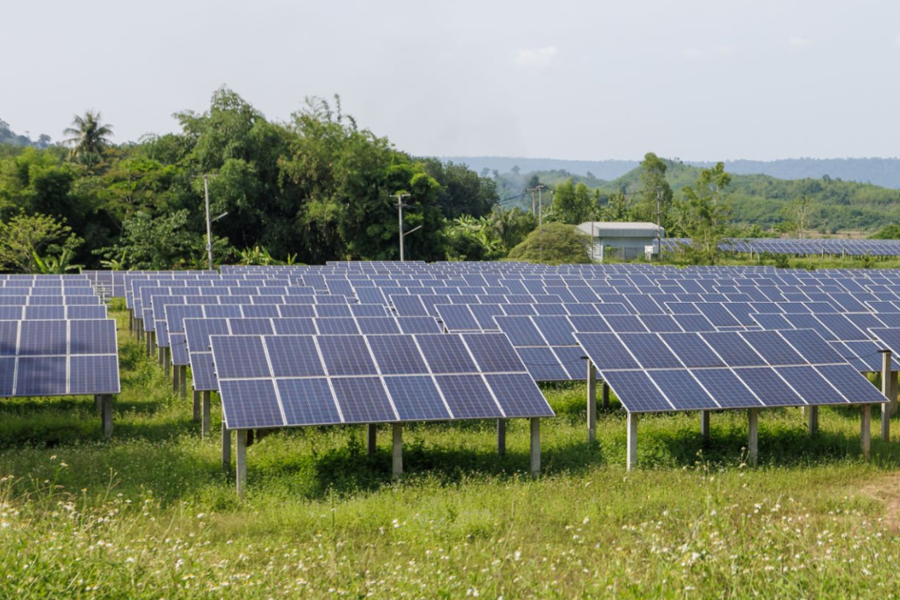
Three-Phase Unbalance Correction
- Applicable scenarios: Distribution transformer areas with diverse load types, large load fluctuations, asynchronous single-phase load operation, and high-power single-phase load access, leading to unbalanced three-phase load distribution.
- Operation logic: The system monitors real-time data including voltage, current, and power on the low-voltage side of the transformer, and performs dynamic regulation via phase-by-phase output power control.
- Application value: Precisely corrects three-phase load deviation, reduces line transmission loss and grid operation stress, and improves distribution network stability and power supply reliability.
Power Factor Correction
- Applicable scenarios: Sites with a high proportion of inductive loads (motors, lighting systems, refrigeration equipment, fans, etc.), resulting in low system power factor during peak load periods.
- Operation logic: The system collects real-time data on voltage, power, and power factor at the transformer’s low-voltage side, and dynamically outputs reactive power compensation to precisely match grid reactive demand.
- Application value: Effectively improves system power factor, reduces line transmission loss and voltage drop, and enhances the load-carrying capacity and operation efficiency of the distribution network.
Peak Shaving and Valley Filling for Cost Optimization
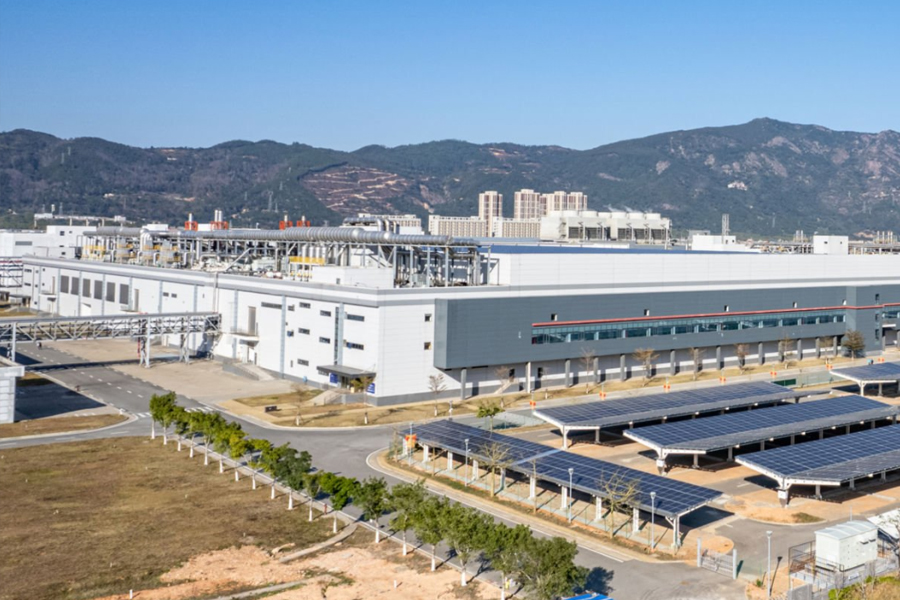
- Applicable scenarios: Large electricity consumers such as industrial enterprises, industrial parks, and commercial complexes with significant daily load fluctuations and peak-valley electricity price gaps.
- Operation logic: Leveraging the time-of-use pricing mechanism, the system charges and stores energy during low-price valley periods, then discharges to supply power during high-price peak periods, realizing temporal load shifting.
- Application value: The “charge low, discharge high” operation mode substantially cuts users’ peak-hour electricity costs, improves economic efficiency of electricity use, smooths the load curve, and alleviates peak pressure on the distribution grid.
Temporary Emergency Power Supply Guarantee
- Applicable scenarios: Scenarios including planned grid maintenance outages, unplanned fault outages, and temporary power guarantee needs for critical events and key equipment.
- Operation logic: Upon utility power interruption, the system seamlessly switches to off-grid mode to maintain uninterrupted power supply for critical loads. It also supports off-grid black start to restore emergency power supply under full blackout conditions.
- Application value: Minimizes power outage duration, and prevents production downtime, data loss, and economic losses caused by sudden power failure of critical loads.
New Energy Integration and Consumption
- Applicable scenarios: New energy grid connection scenarios such as distributed photovoltaic (PV) stations with self-consumption and surplus feed-in schemes.
- Operation logic: The system smooths the random fluctuations of PV generation via energy storage. PV energy is prioritized for battery storage, with surplus power supplied to local loads; when PV output is insufficient, the stored energy continues to power the loads.
- Application value: Effectively addresses PV curtailment, mitigates the intermittency of new energy output, improves power quality, and enables efficient new energy consumption and continuous power supply.